
Strengthening Mentorship in the Hydropower Sector
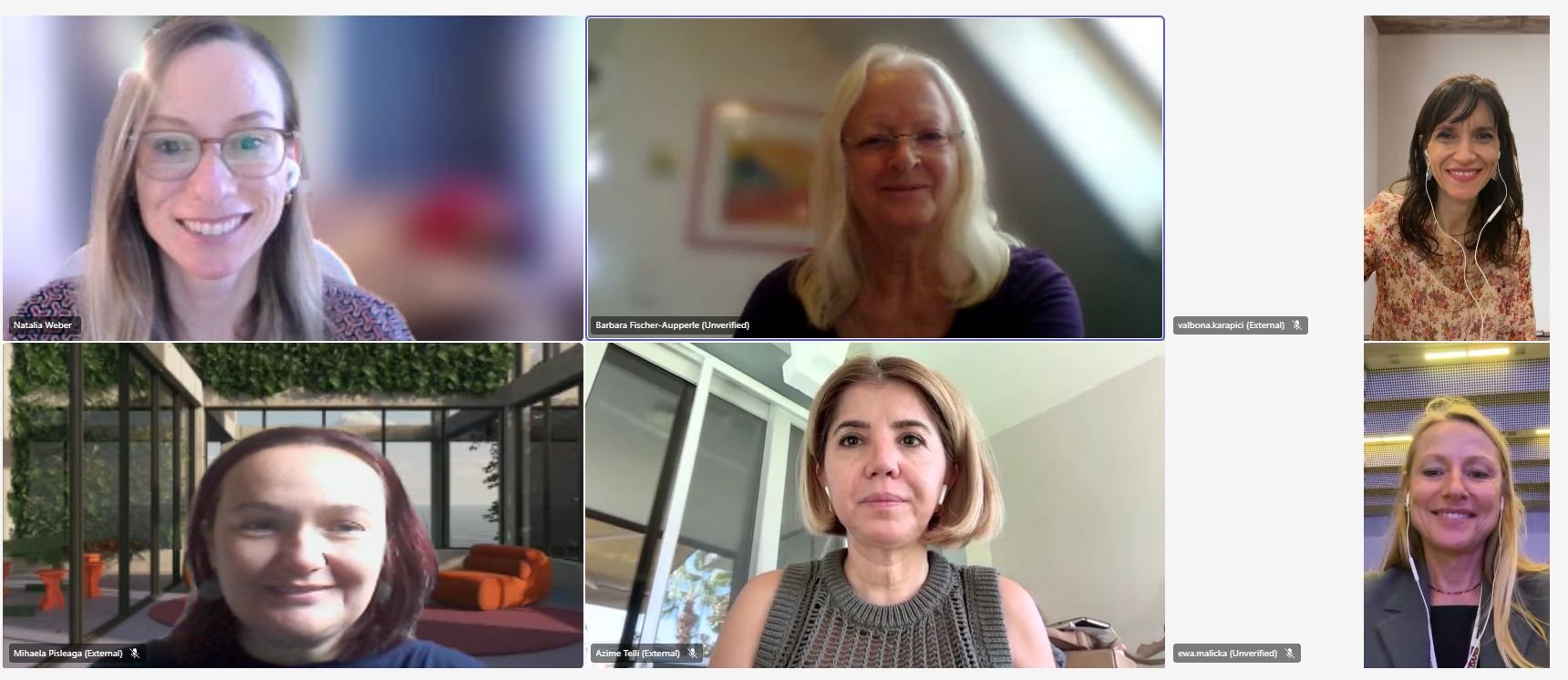
Last month, we had the pleasure of hosting a dedicated training session for the mentors of the second cohort of the COST Action Women’s Mentoring Program, an initiative focused on empowering women in sustainable hydropower.
The training, led by Barbara Fischer-Aupperle, brought together the new group of mentors for an in-depth exploration of what effective mentoring truly entails. From setting clear expectations and goals to navigating challenges with confidence and empathy, the session provided both practical tools and space for reflection and exchange.
Why mentorship matters in hydropower
Women currently represent only around 25% of the hydropower workforce, with significantly lower representation in technical and leadership roles. Mentorship plays a crucial role in addressing this imbalance. By supporting women early in their careers, mentoring helps build confidence, strengthen strategic and technical skills, and expand professional networks within the sector.
The COST Action Women’s Mentoring Program is designed to contribute to this change by fostering meaningful mentor–mentee relationships that support long-term professional growth.
Key takeaways from the training
During the session, mentors engaged in discussions and practical exercises covering several essential aspects of mentoring, including:
Understanding the true role of a mentor: offering guidance, sharing experience, and supporting mentees without taking over their work
Exploring the differences between mentoring and coaching
Reflecting on the mutual benefits for both mentors and mentees
Learning how to address discomfort, set realistic goals, and build a healthy, trust-based mentor–mentee relationship
Sharing early experiences and progress among mentors, strengthening the sense of community within the program
Acknowledging our mentors
We would like to extend a sincere thank you to all mentors who participated in the training: Valbona Karapici, Mihaela Pisleaga, Azime Telli, Ewa Malicka, and Seda Kul. Your commitment and engagement are essential to building a more inclusive, diverse, and resilient energy sector.
We are proud to be part of this initiative and grateful for the inspiring community that continues to grow around it. Together, we are taking meaningful steps toward empowering the next generation of women in sustainable hydropower.