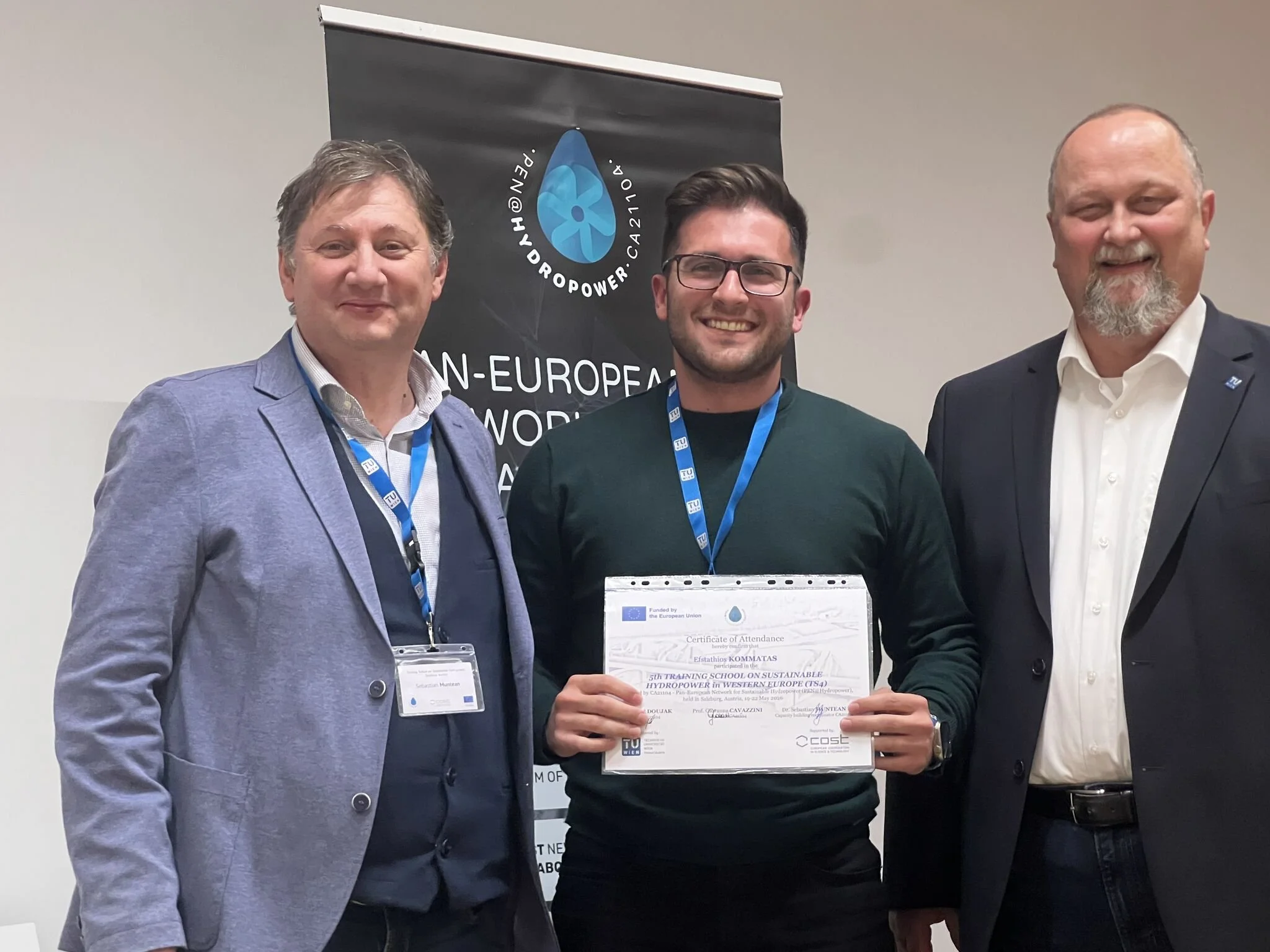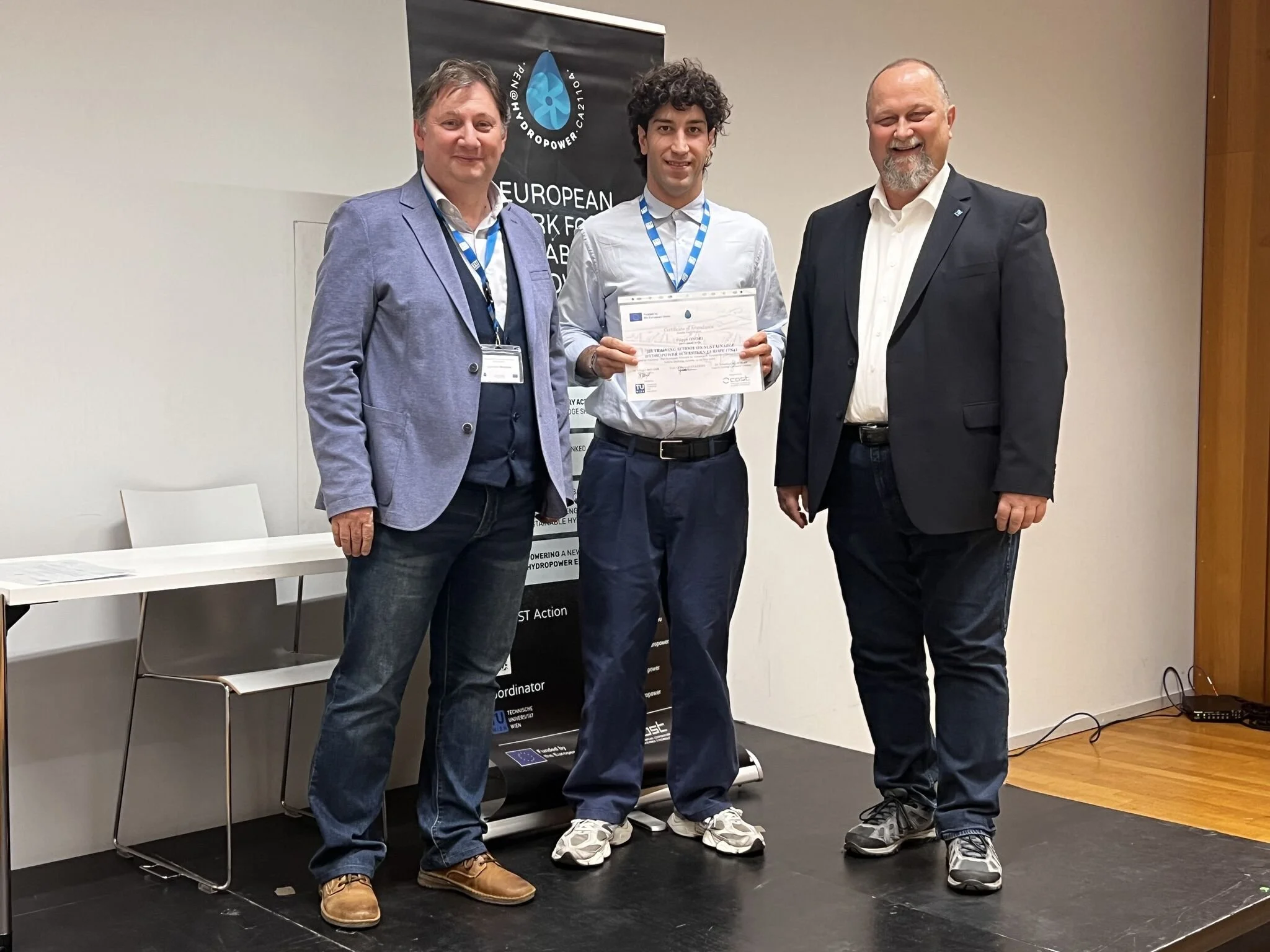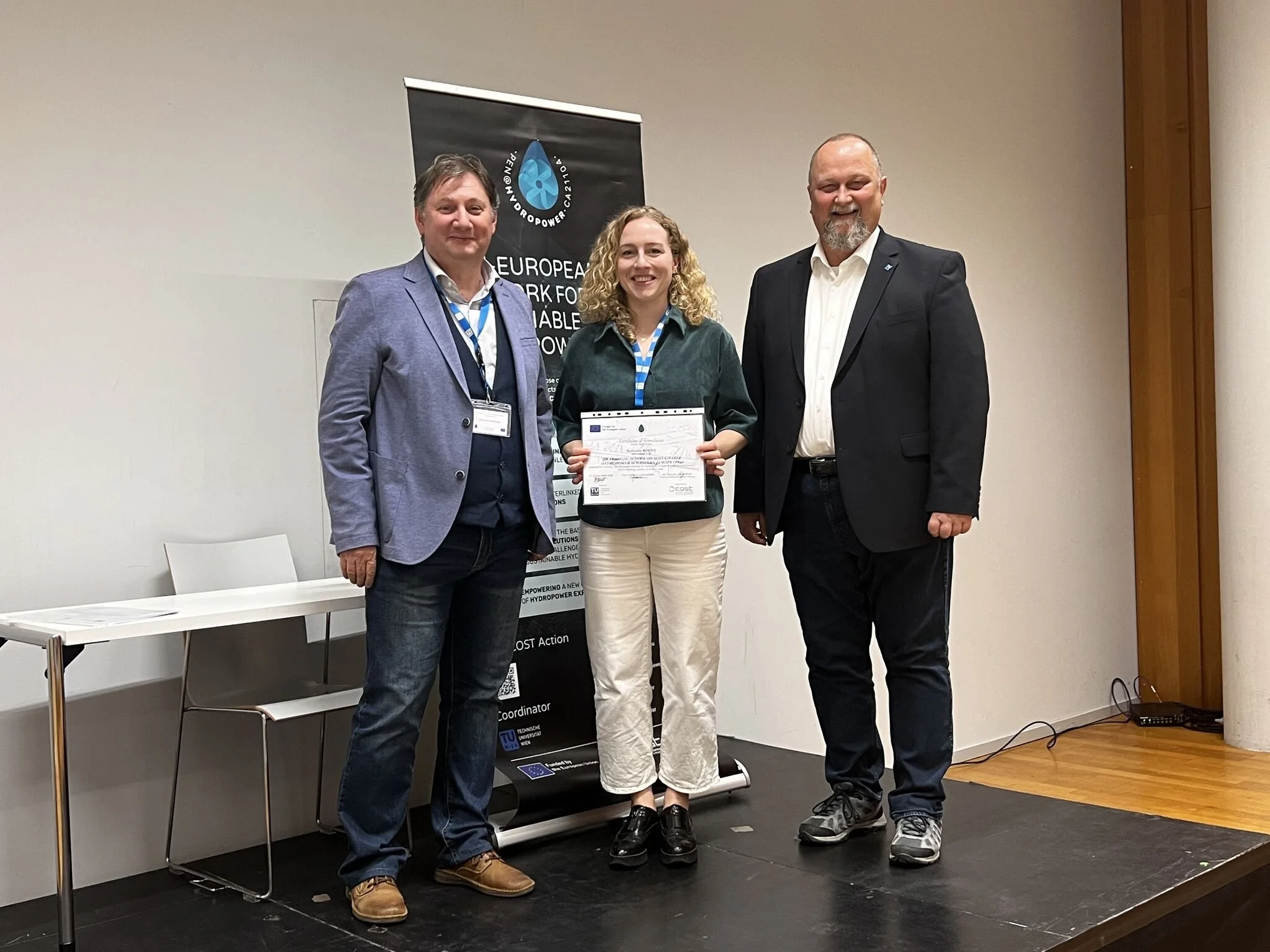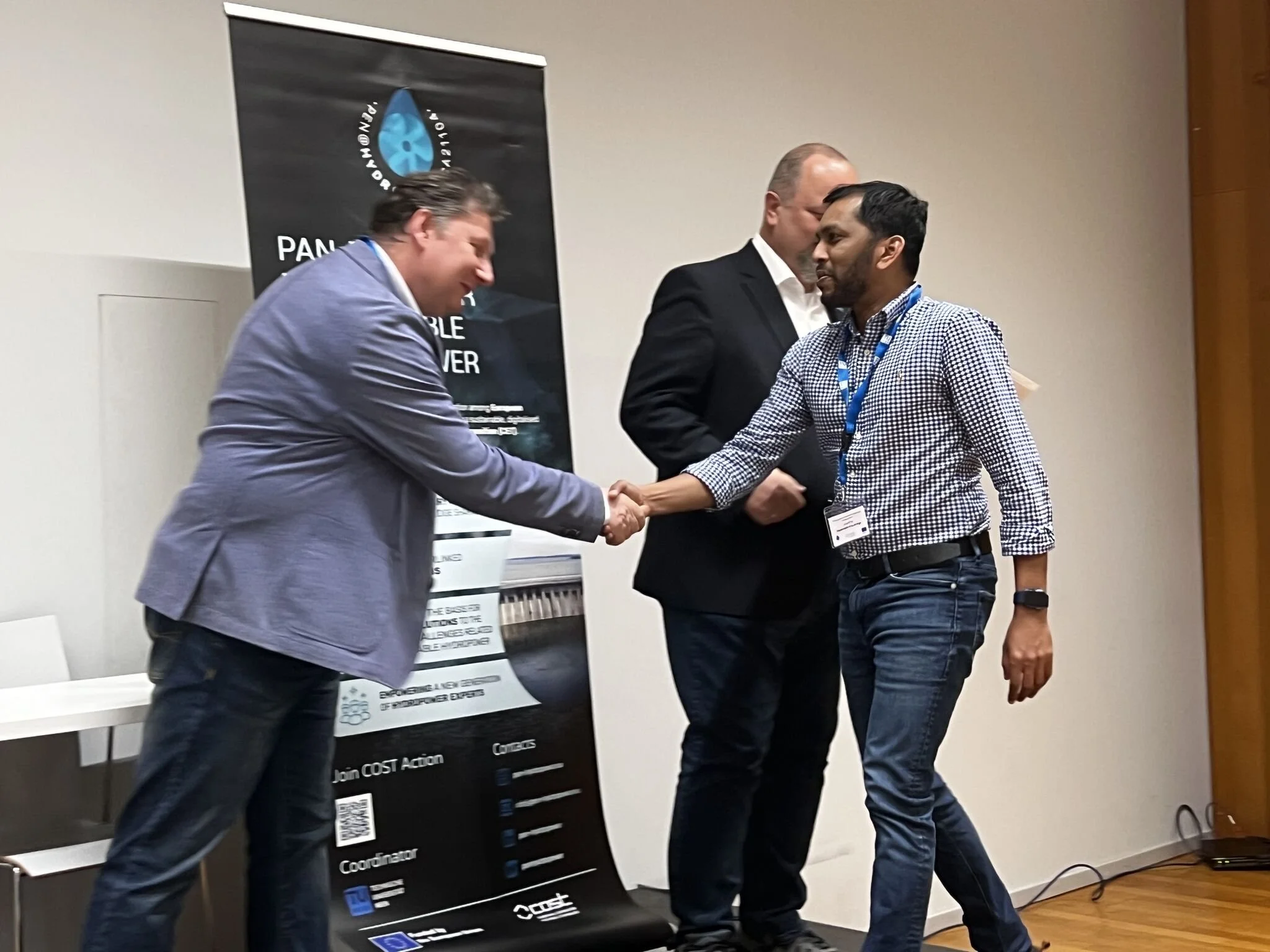
5th Training School
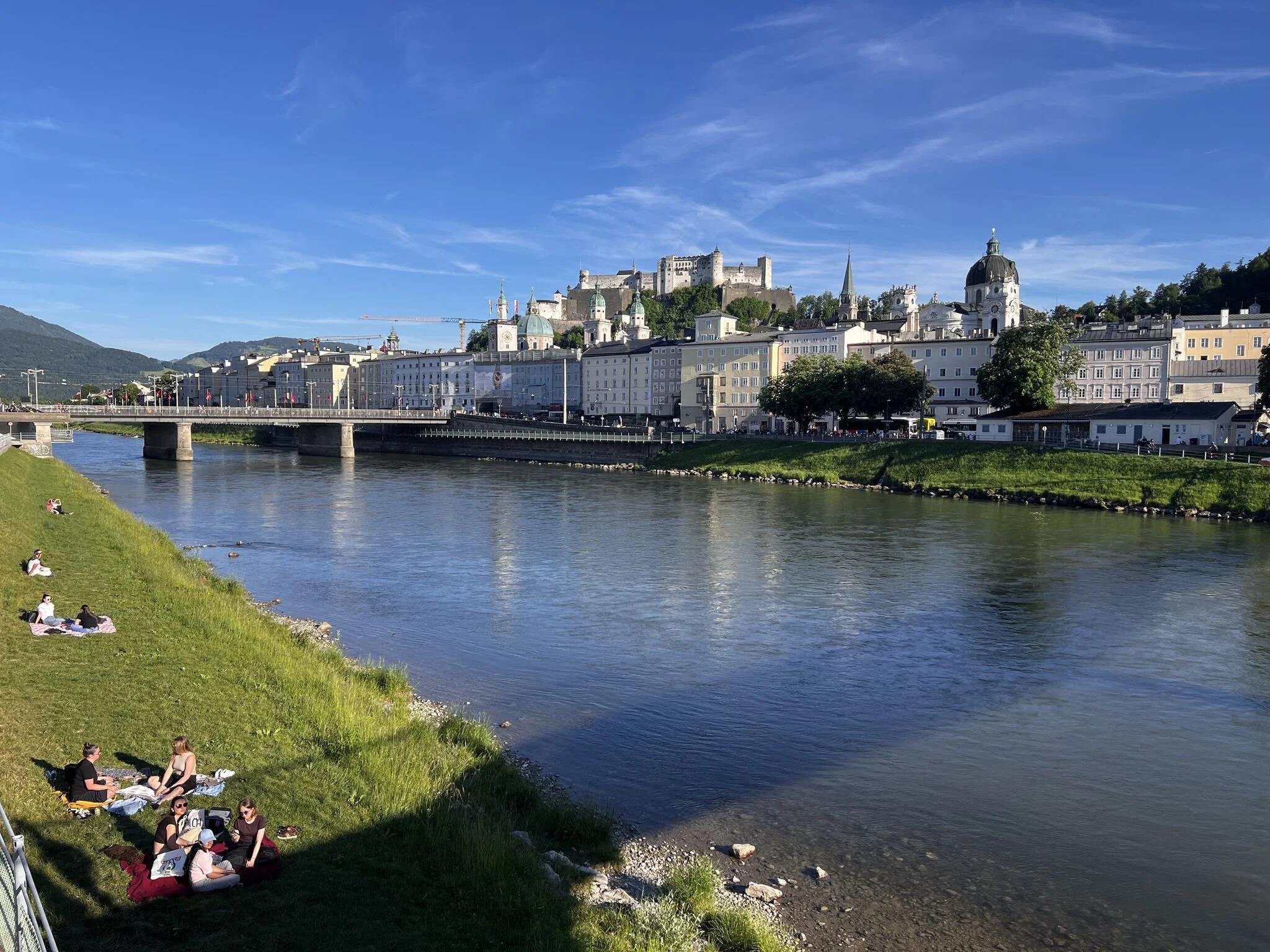
Salzburg, Austria
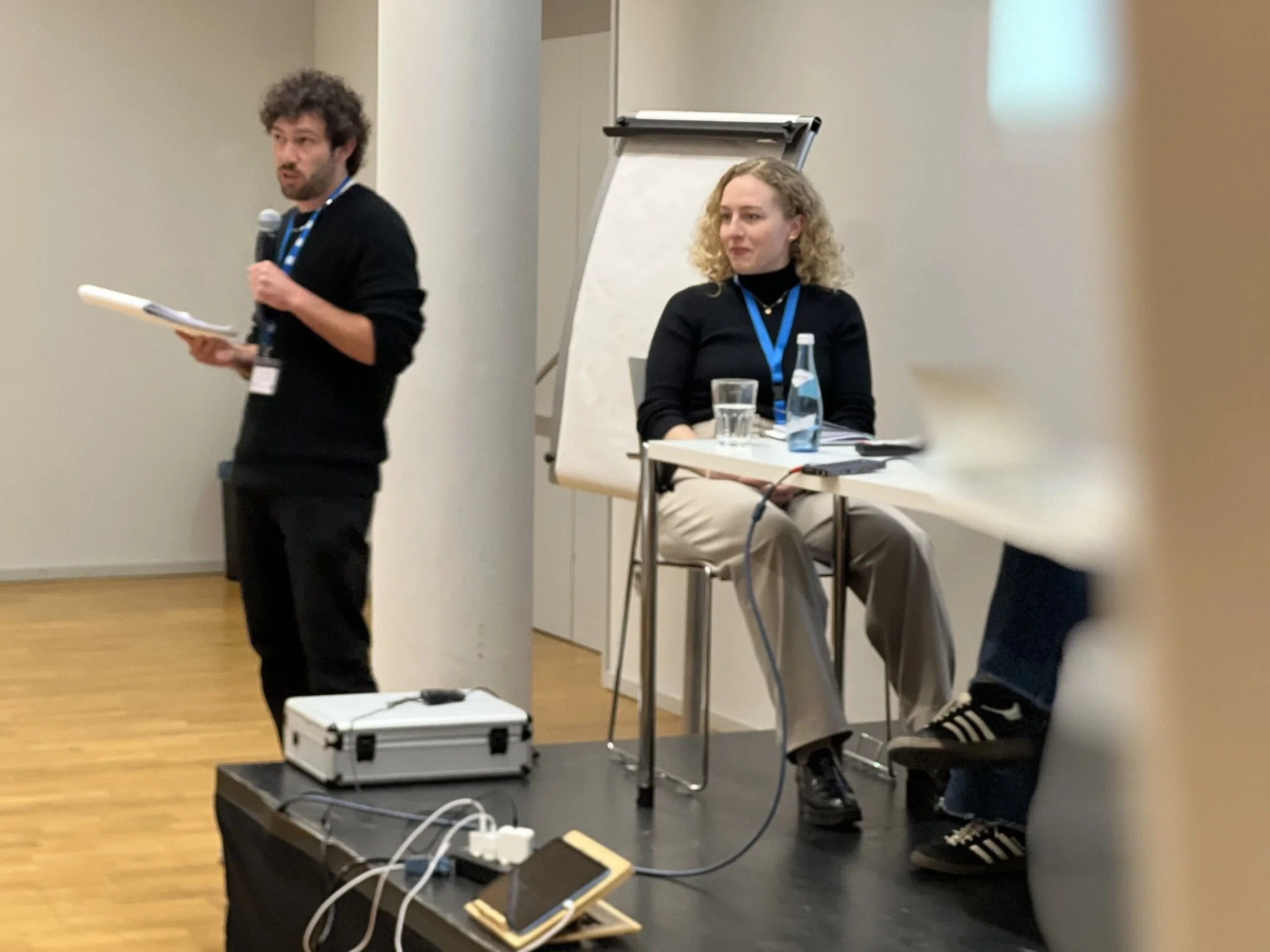
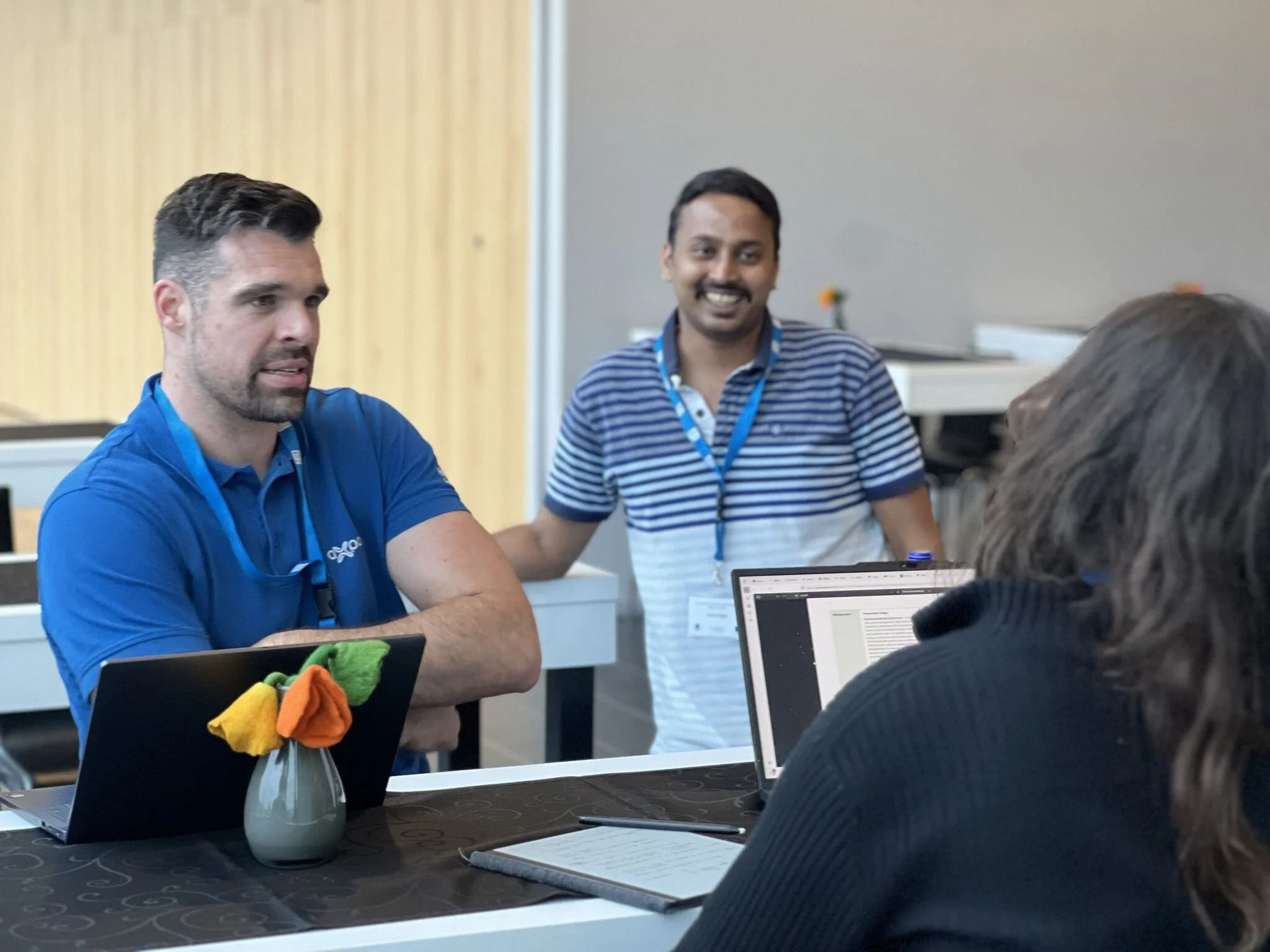
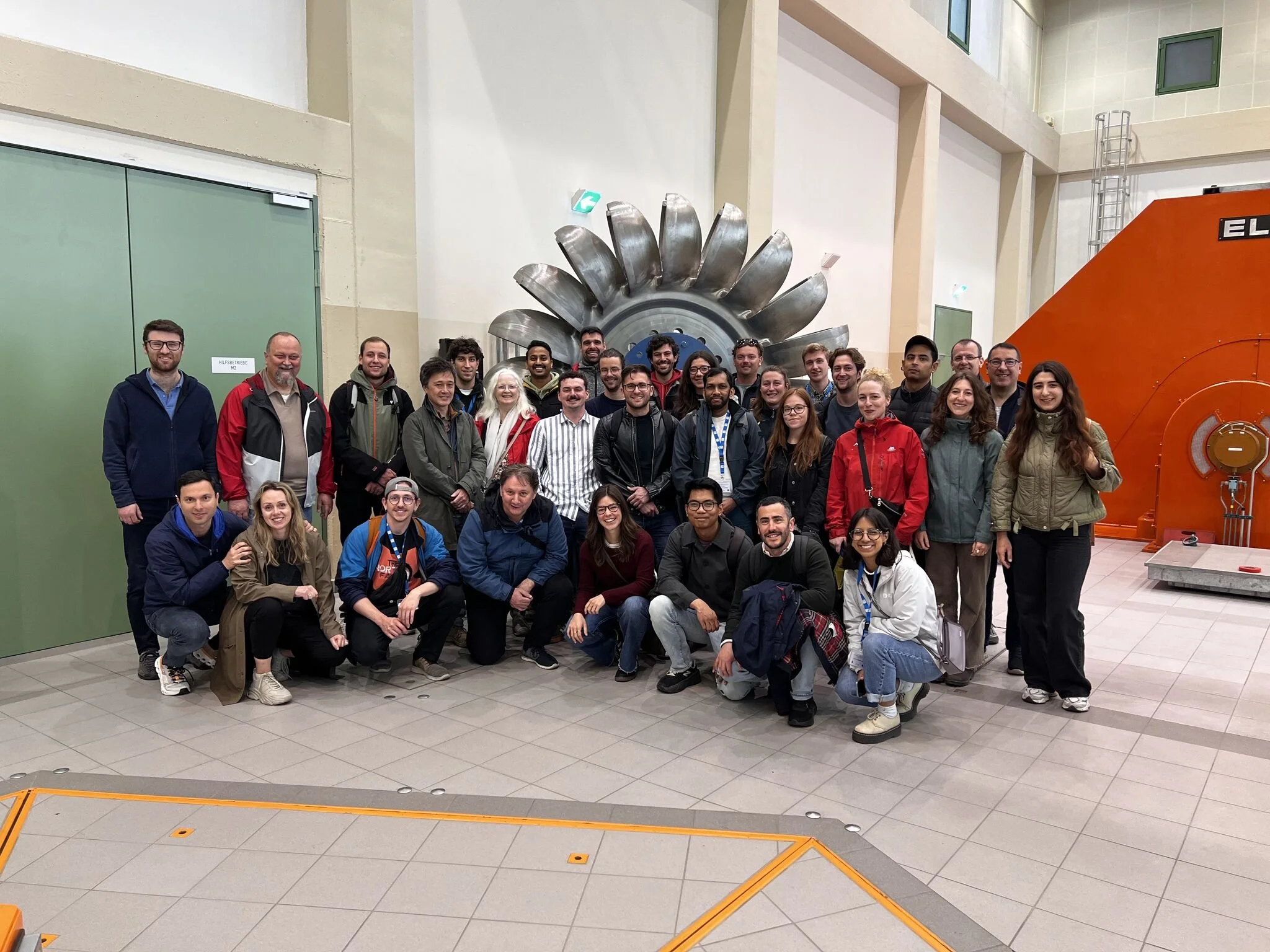
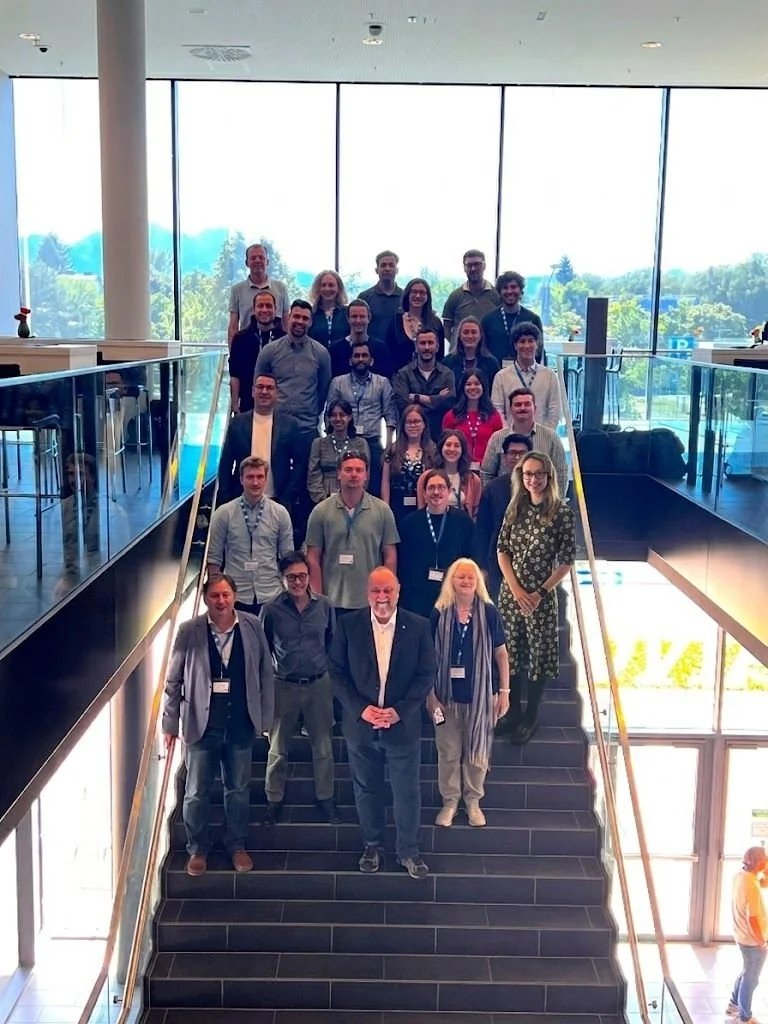
The fifth PEN@Hydropower Training School on Sustainable Hydropower brought together young researchers and professionals from across Europe in Salzburg, Austria, for four days of lectures, field visits and collaborative learning.
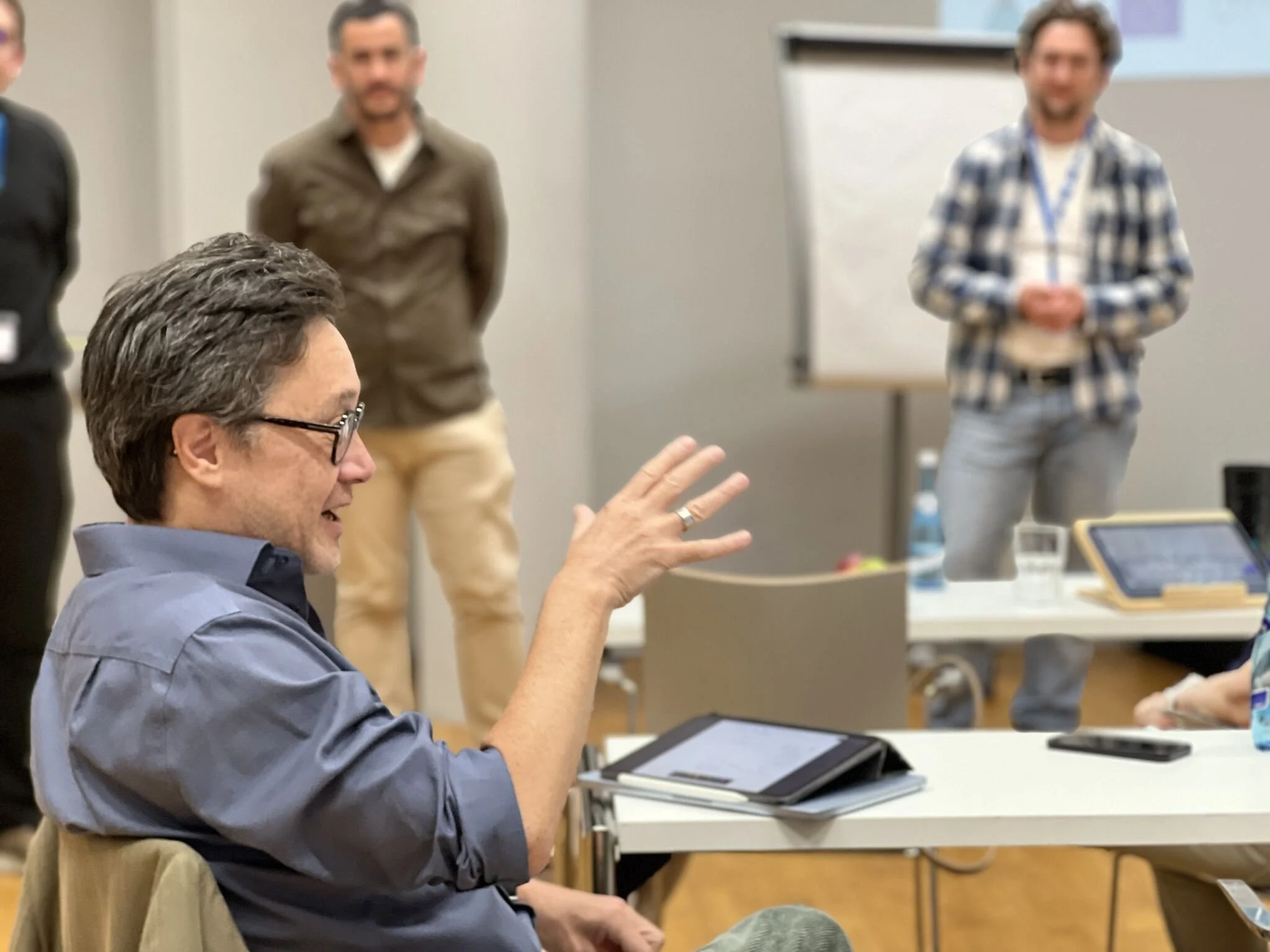
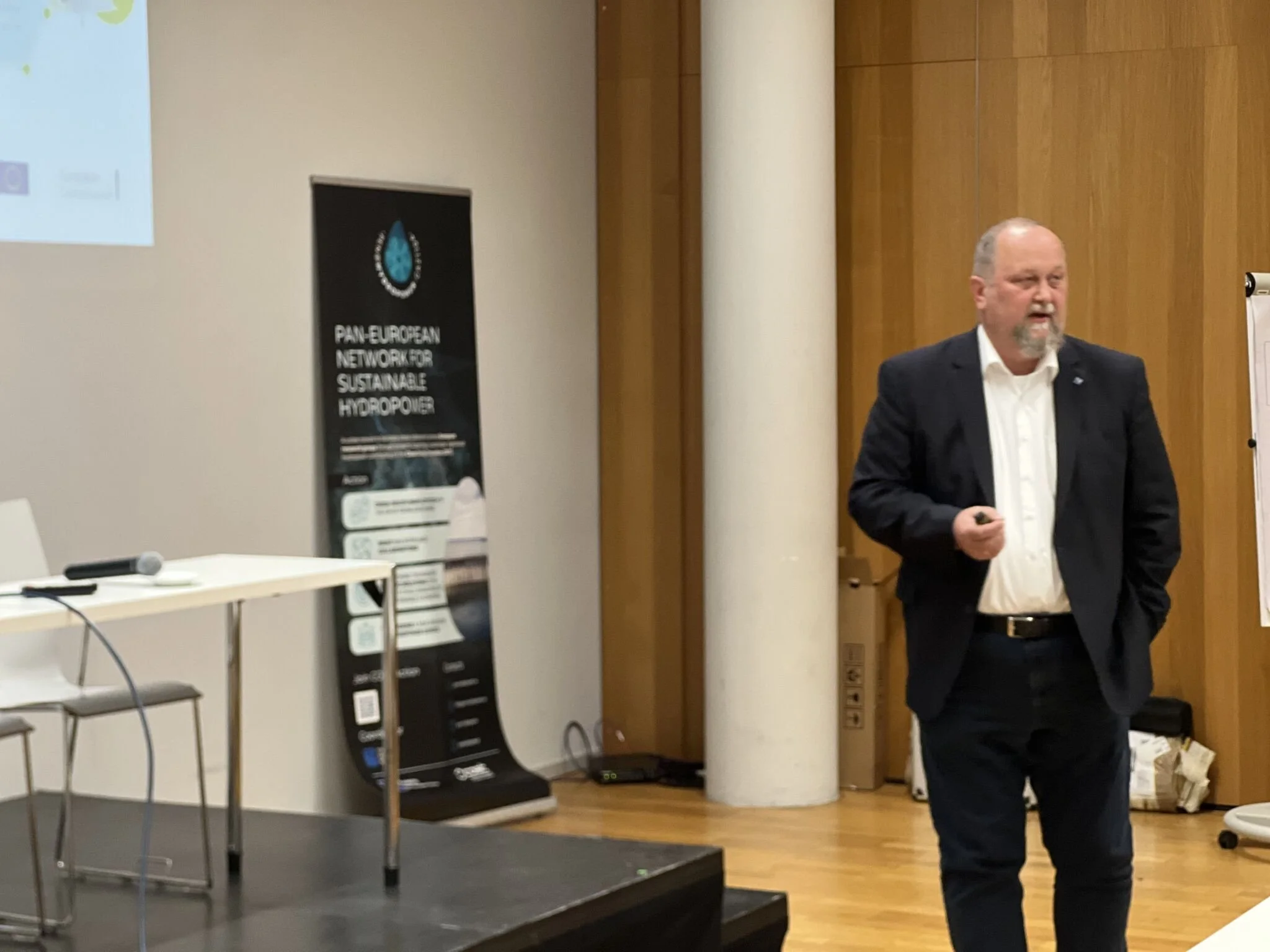
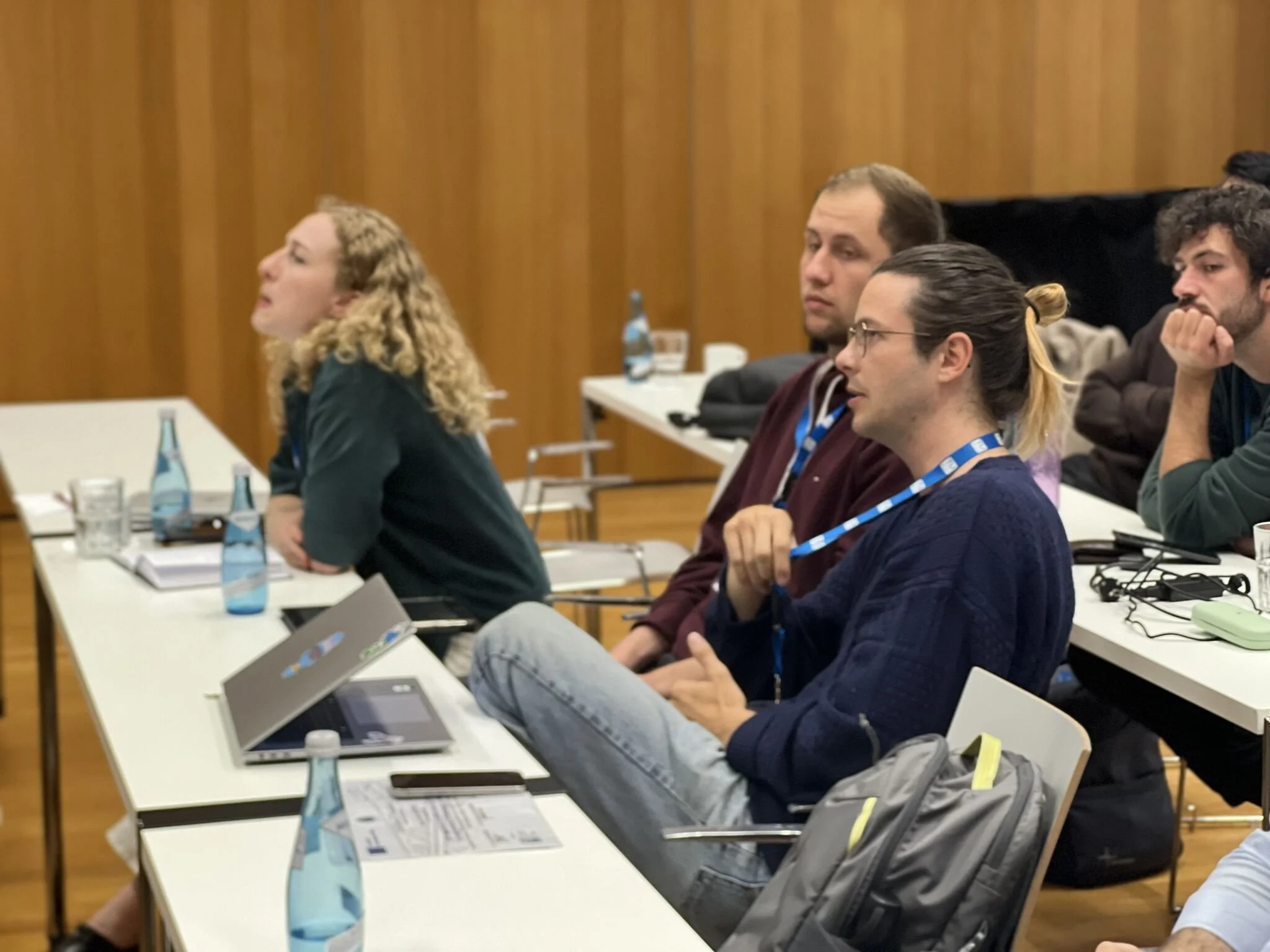
The programme explored the technical, environmental, social and governance dimensions of sustainable hydropower. Following an introduction to PEN@Hydropower and its Working Groups, participants examined how sustainability standards can guide project development and operation. Jian-hua Meng from HTWG Hochschule Konstanz introduced the Hydropower Sustainability Standard of the Hydropower Sustainability Alliance, providing a basis for discussions on its practical application from different stakeholder perspectives.

Dr. Jian-hua Meng, HTWG Hochschule Konstanz
Guest Trainer
Prof. Dr Jian-hua Meng is a senior sustainable hydropower advisor working on sustainable water infrastructure, specifically on hydropower, both at the technical and policy level, and through field support for WWF freshwater programmes. He worked as an engineer and project manager with a consulting group in Germany, planning and implementing water and urban infrastructure projects, river restoration, flood protection, and energy projects. Dr Meng holds a PhD in civil engineering. He is a Professor of water resources management, hydraulic engineering and spatial planning at the University of Applied Sciences in Konstanz / Germany.
Key Highlights
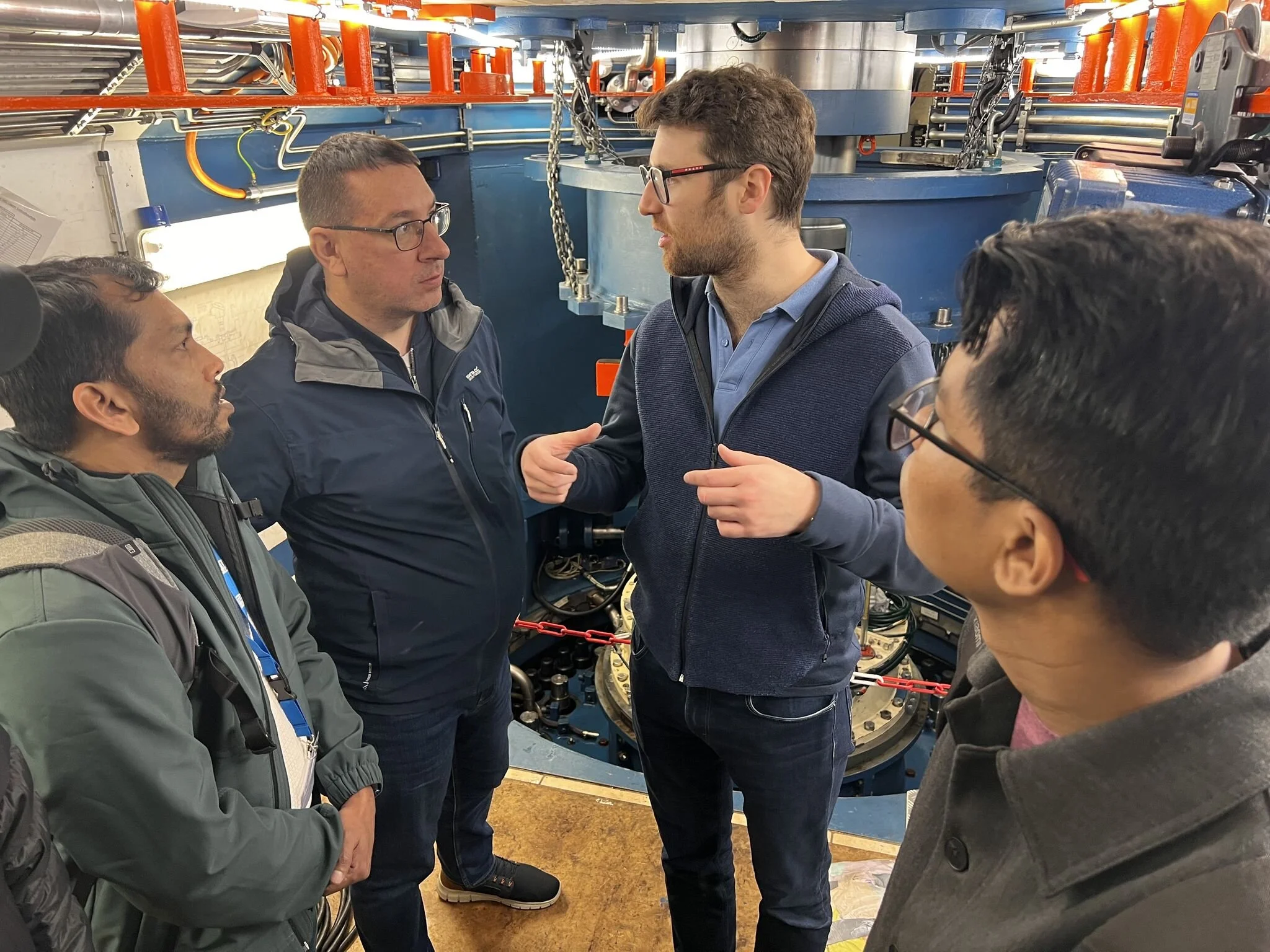
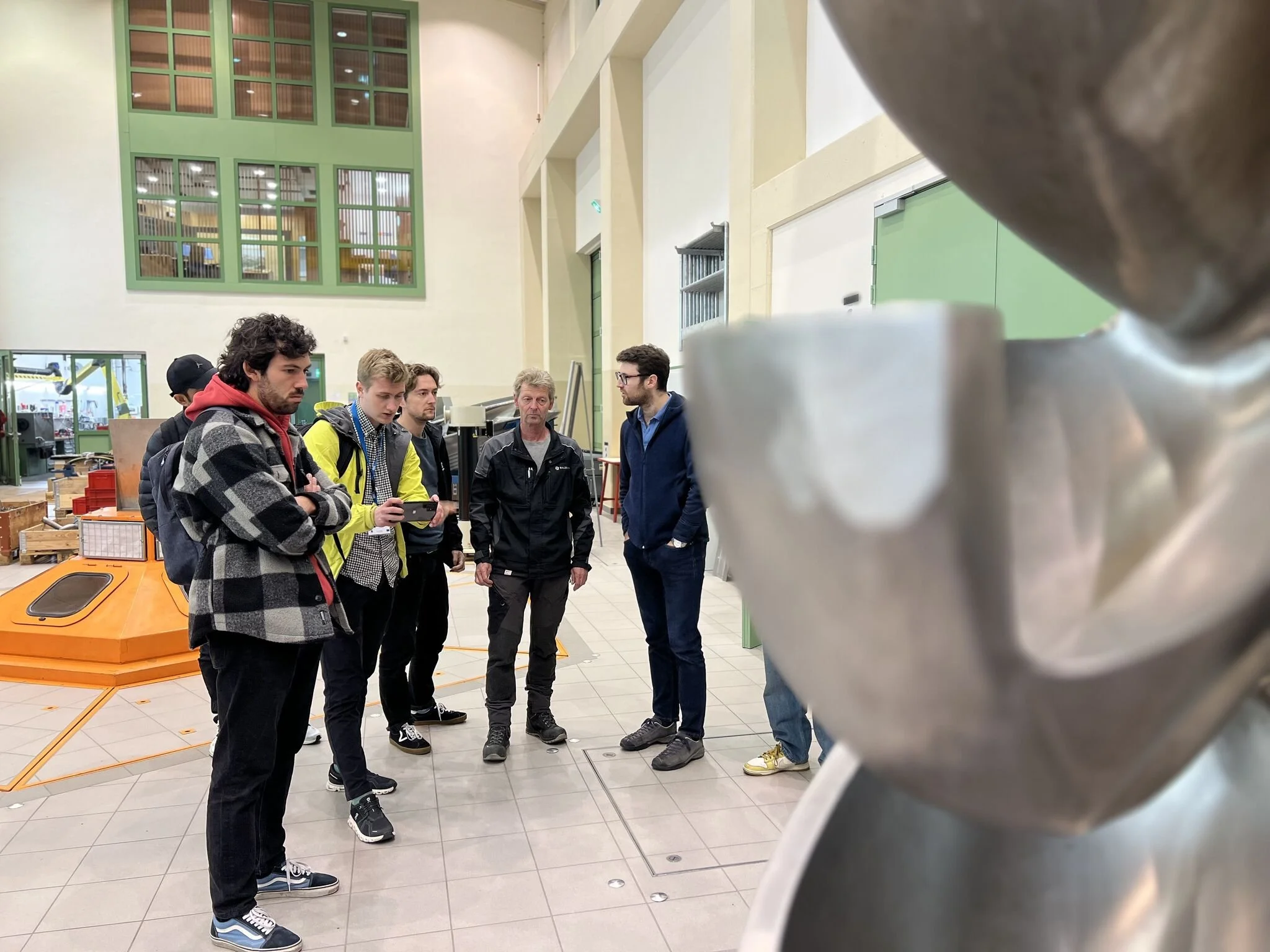
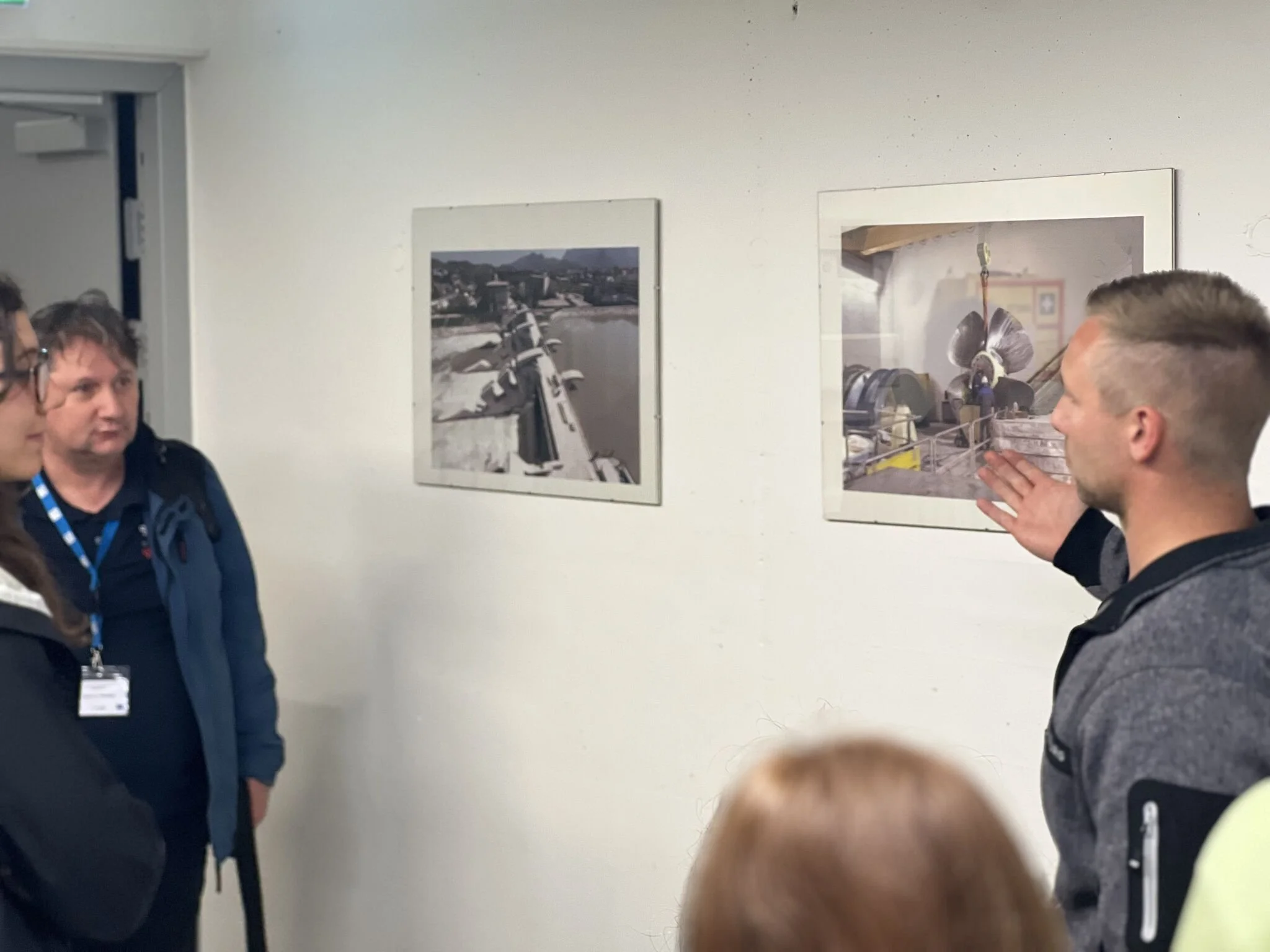
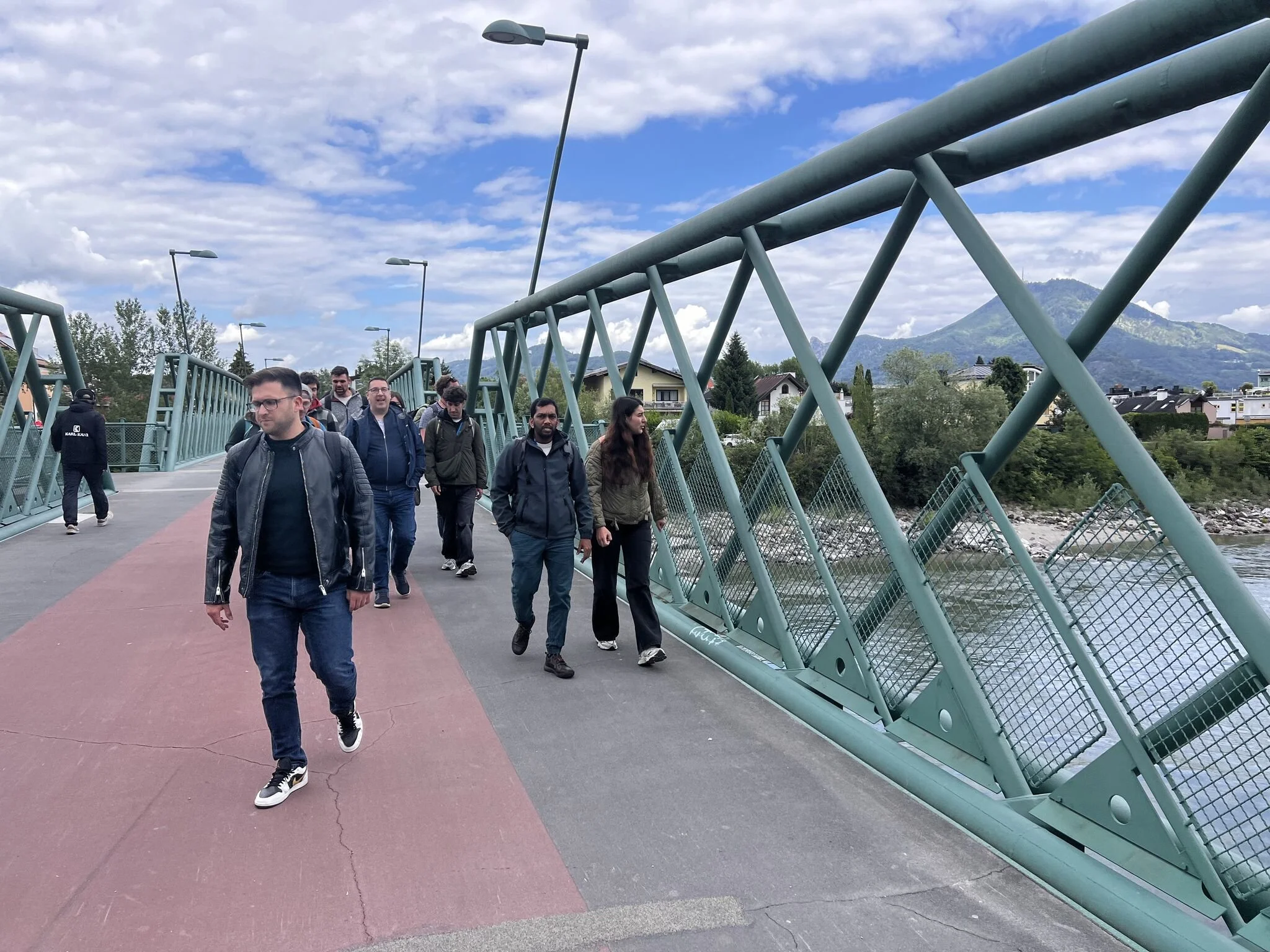
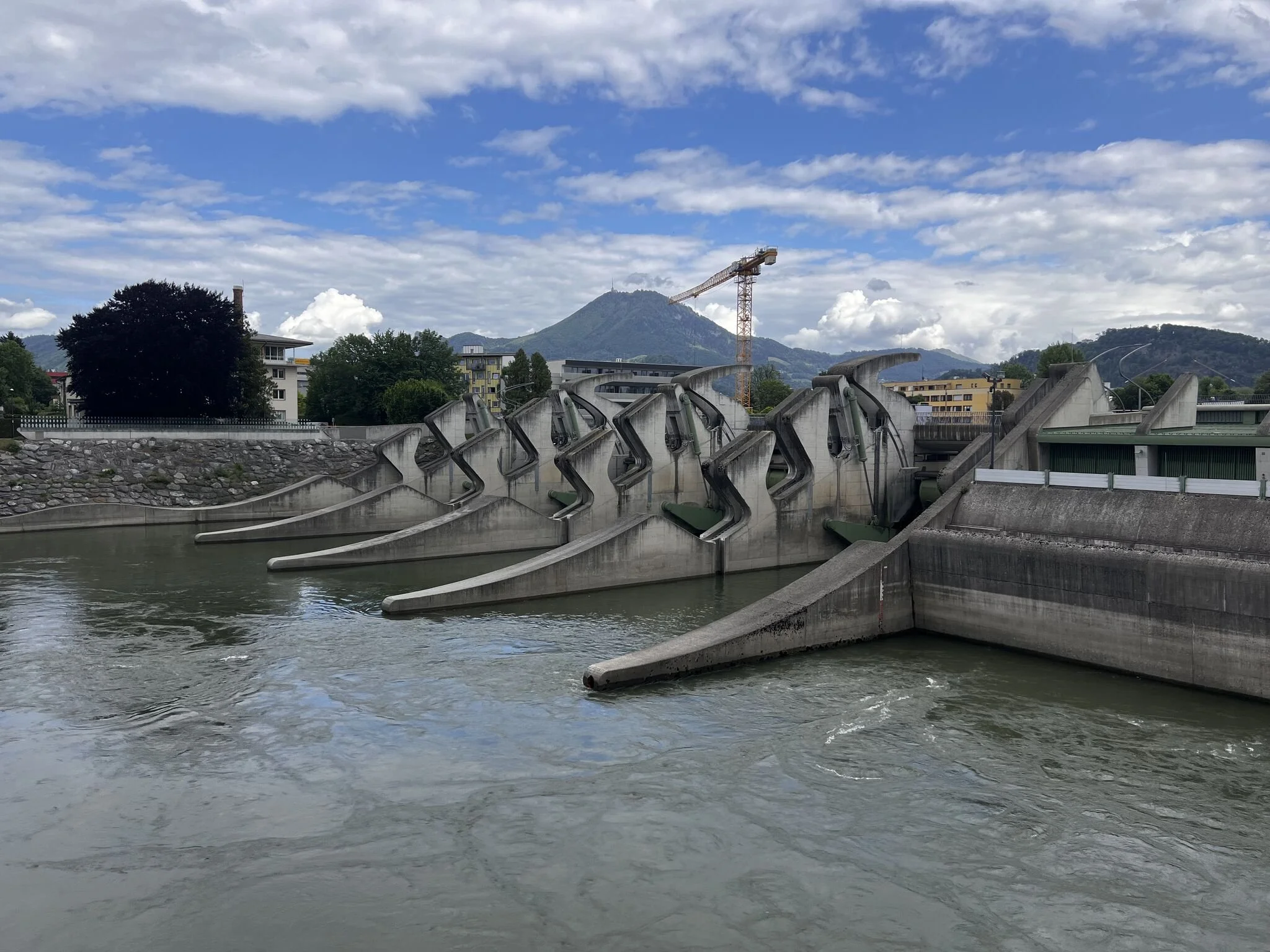
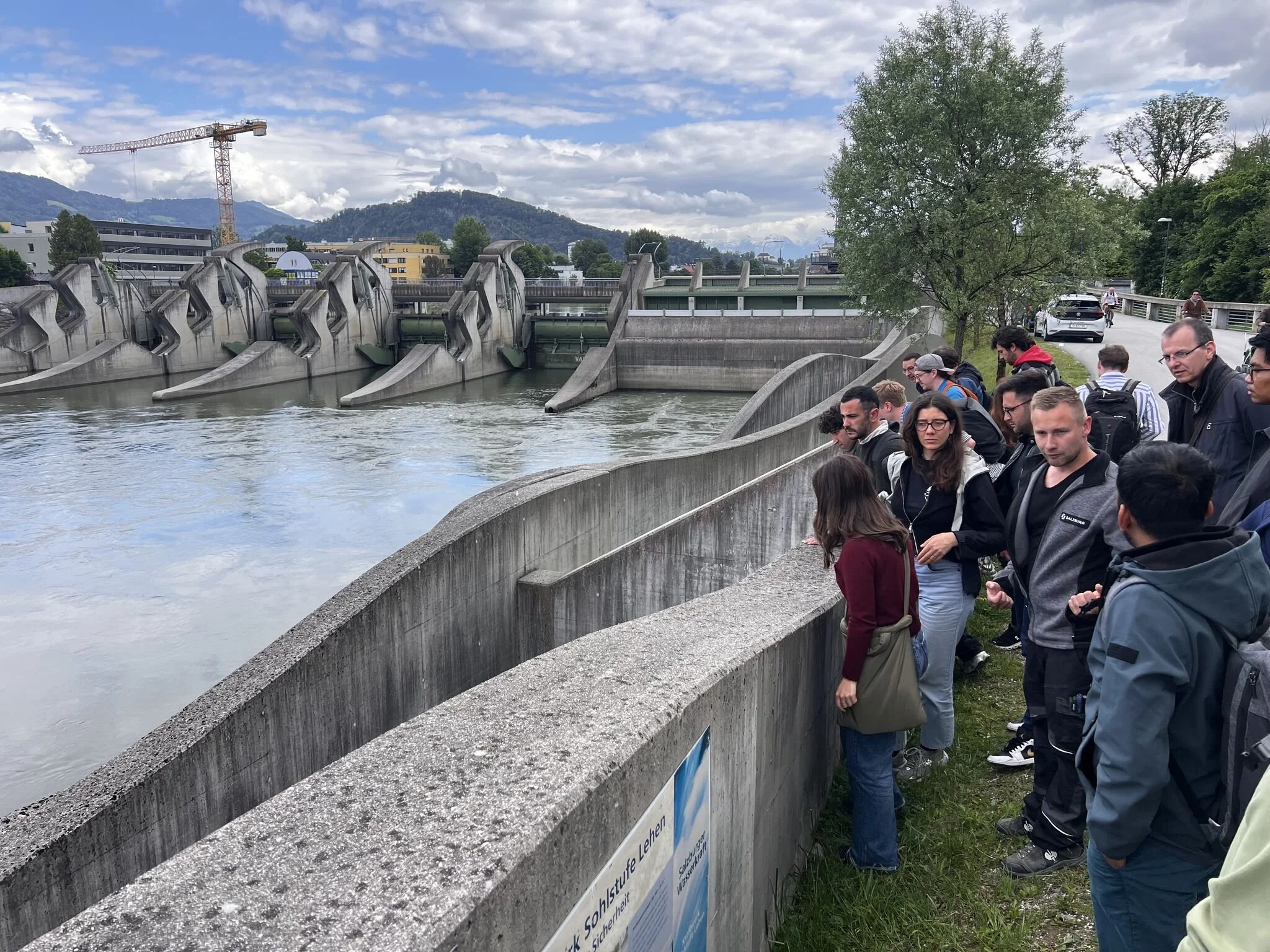
Technical visits to two plants operated by Salzburg AG connected these discussions with real operating environments. The alpine Hintermuhr hydropower plant offered insights into storage, infrastructure and landscape considerations, while the urban Sohlstufe Lehen run-of-river plant highlighted interactions between hydropower, river systems and surrounding communities. Participants used the Hydropower Sustainability Assessment Protocol (HSAP) to examine environmental and social impacts, water flow management and infrastructure safety.
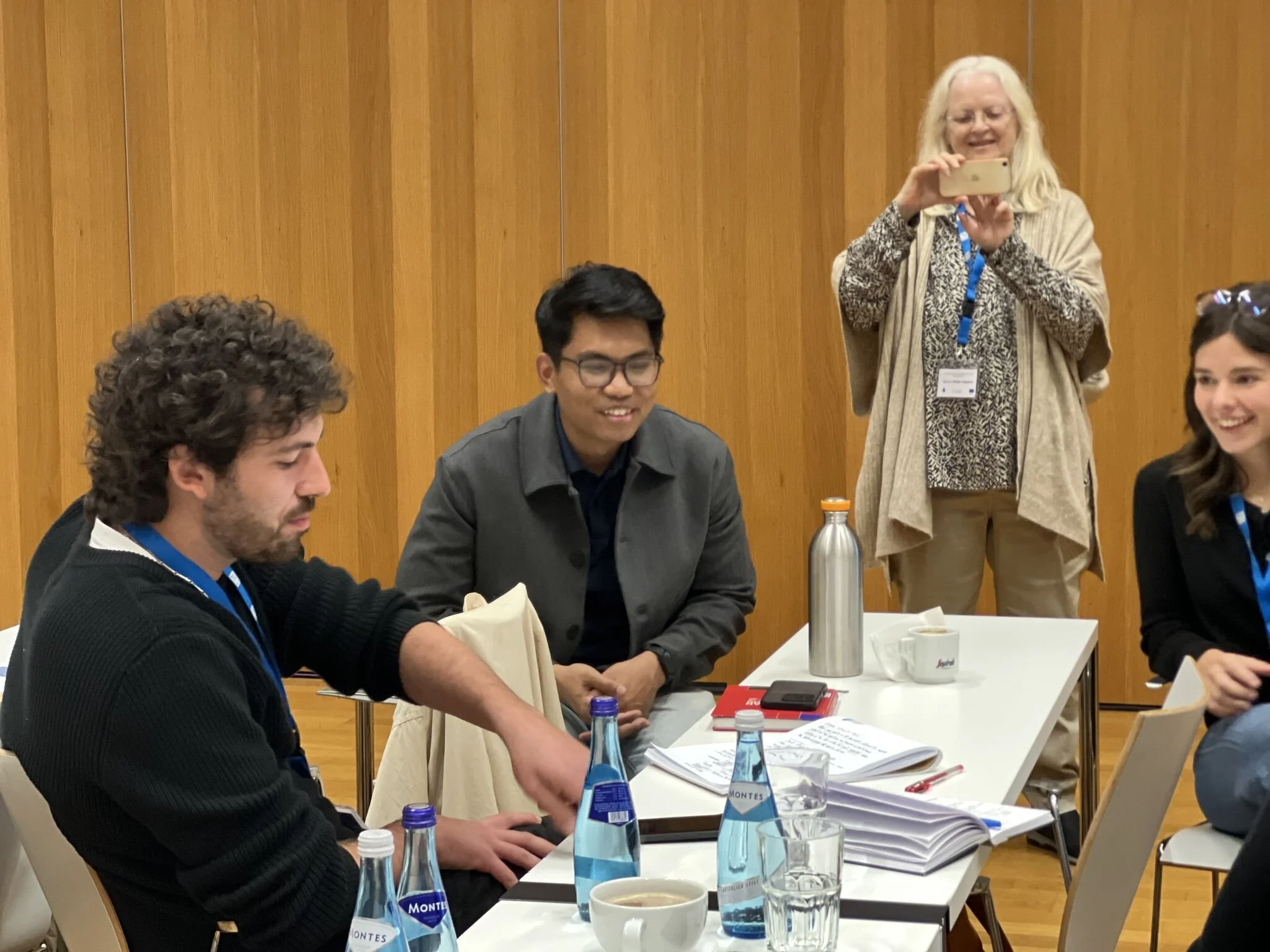
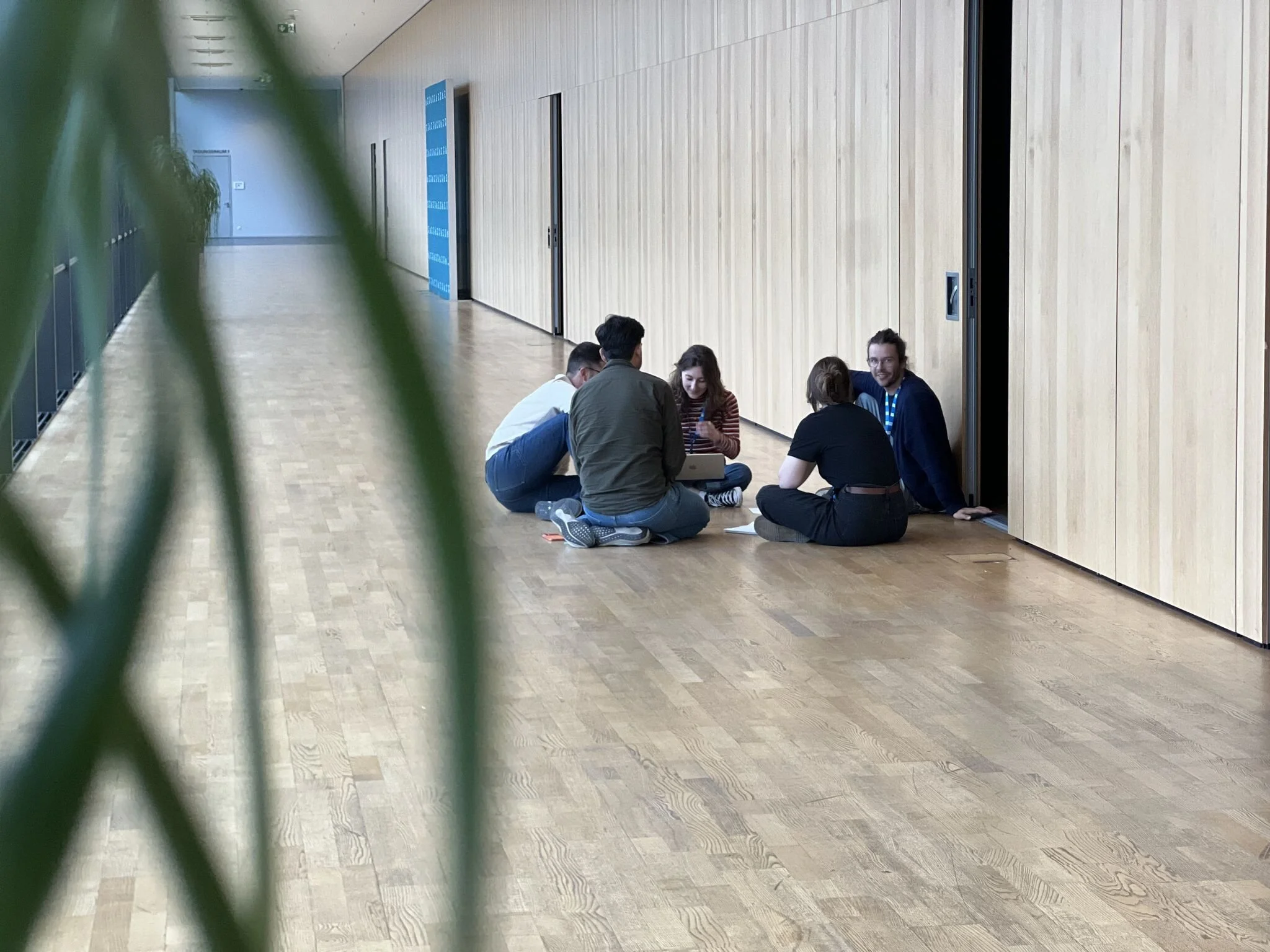
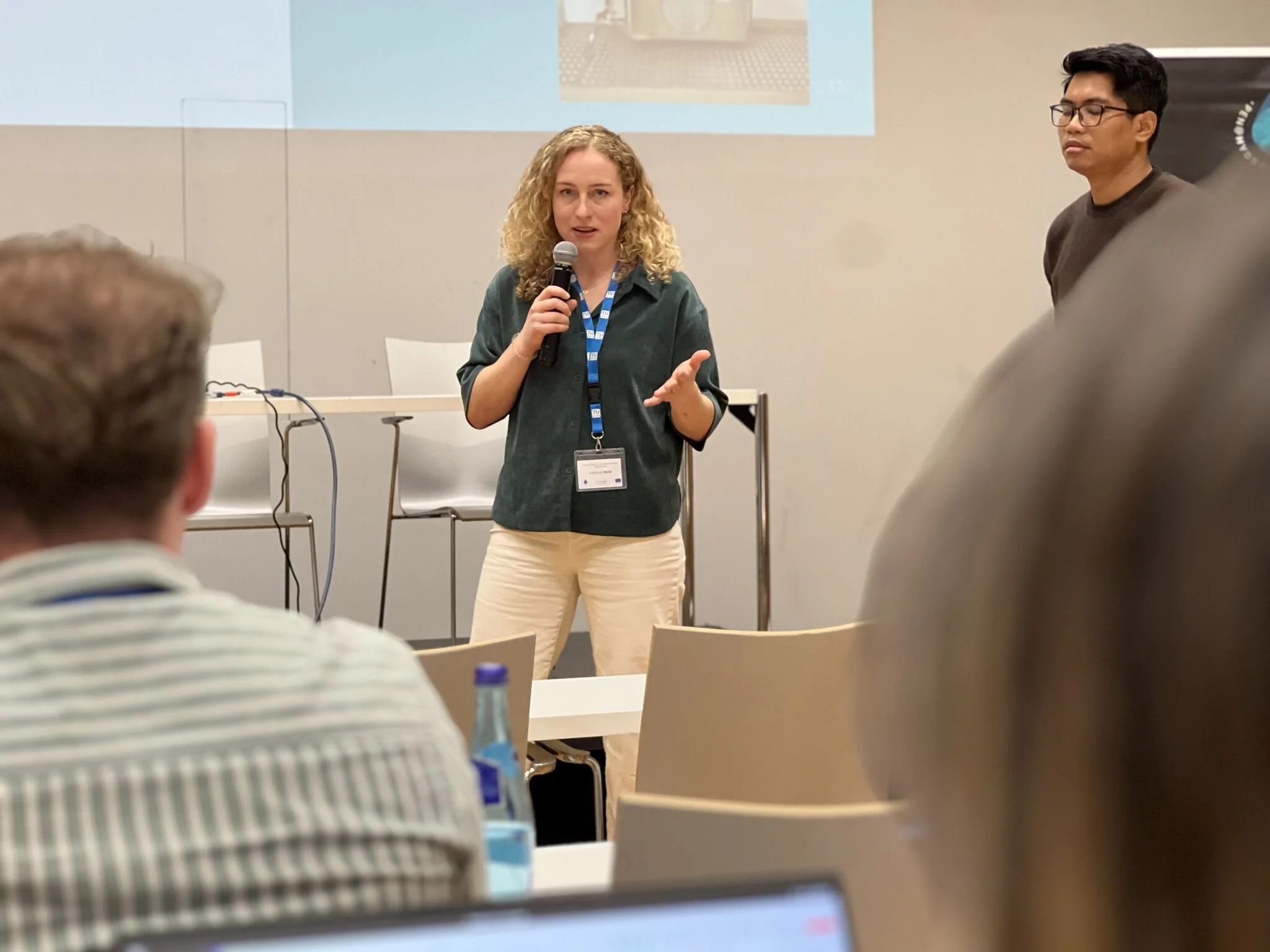
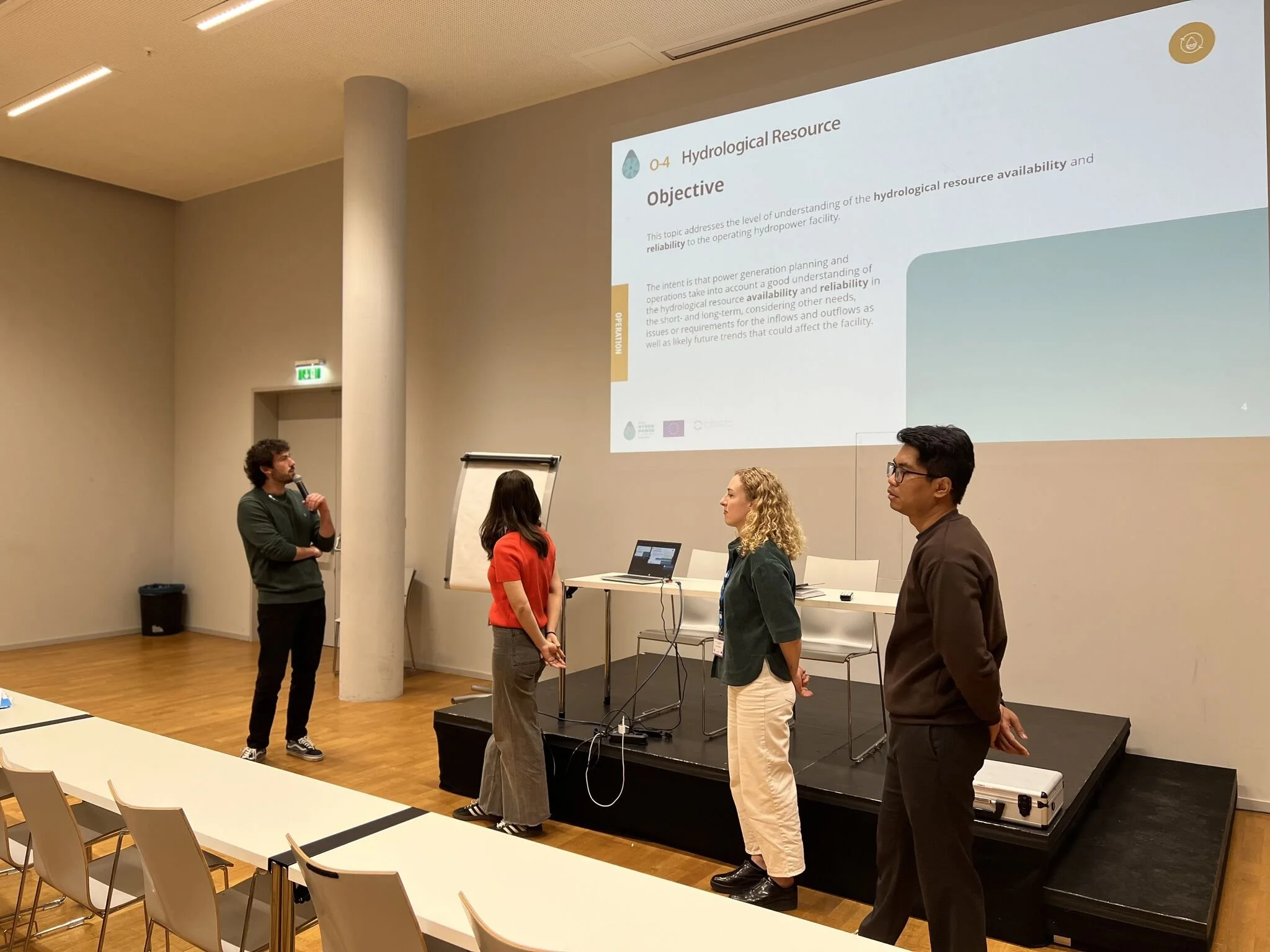
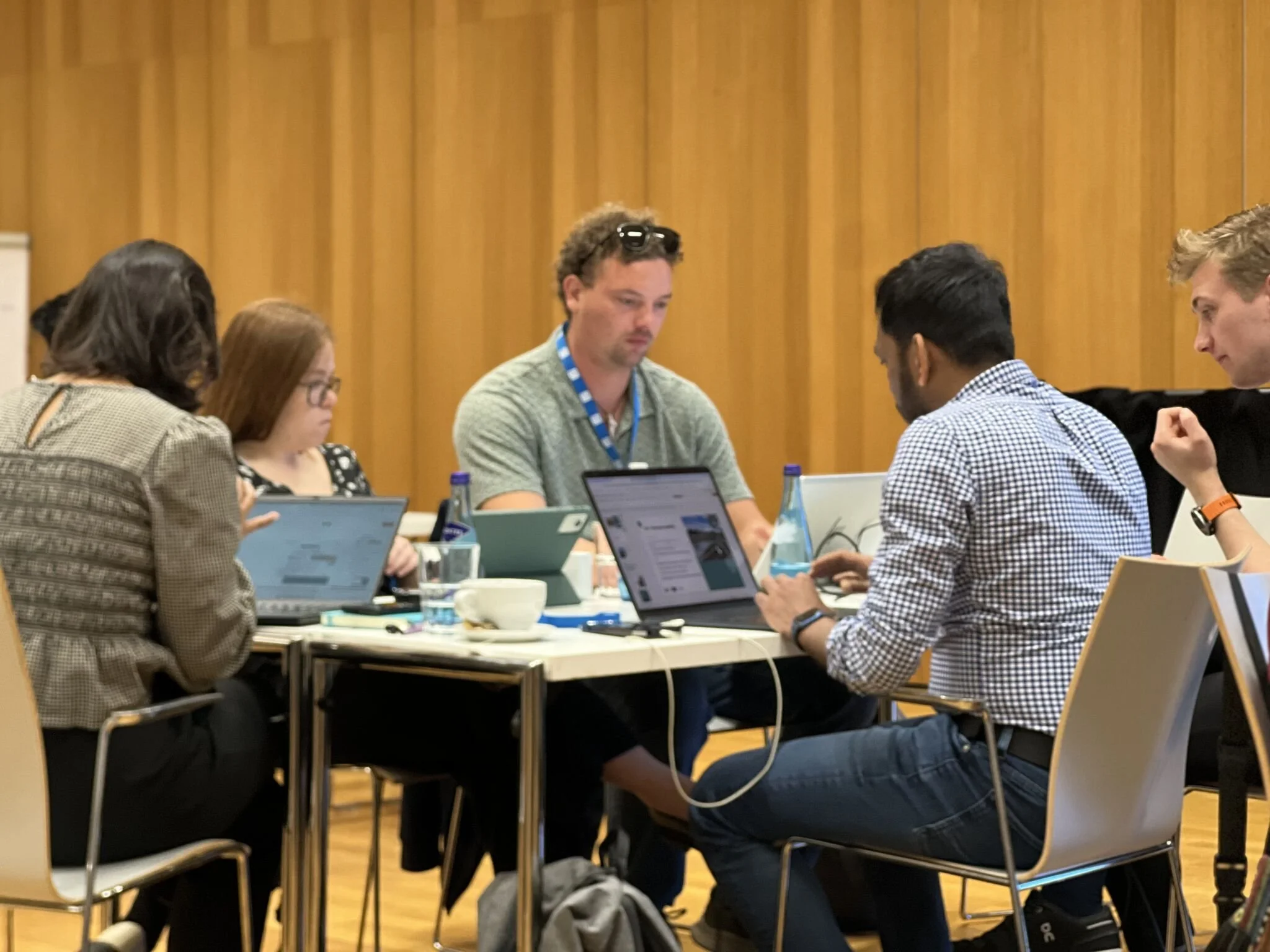
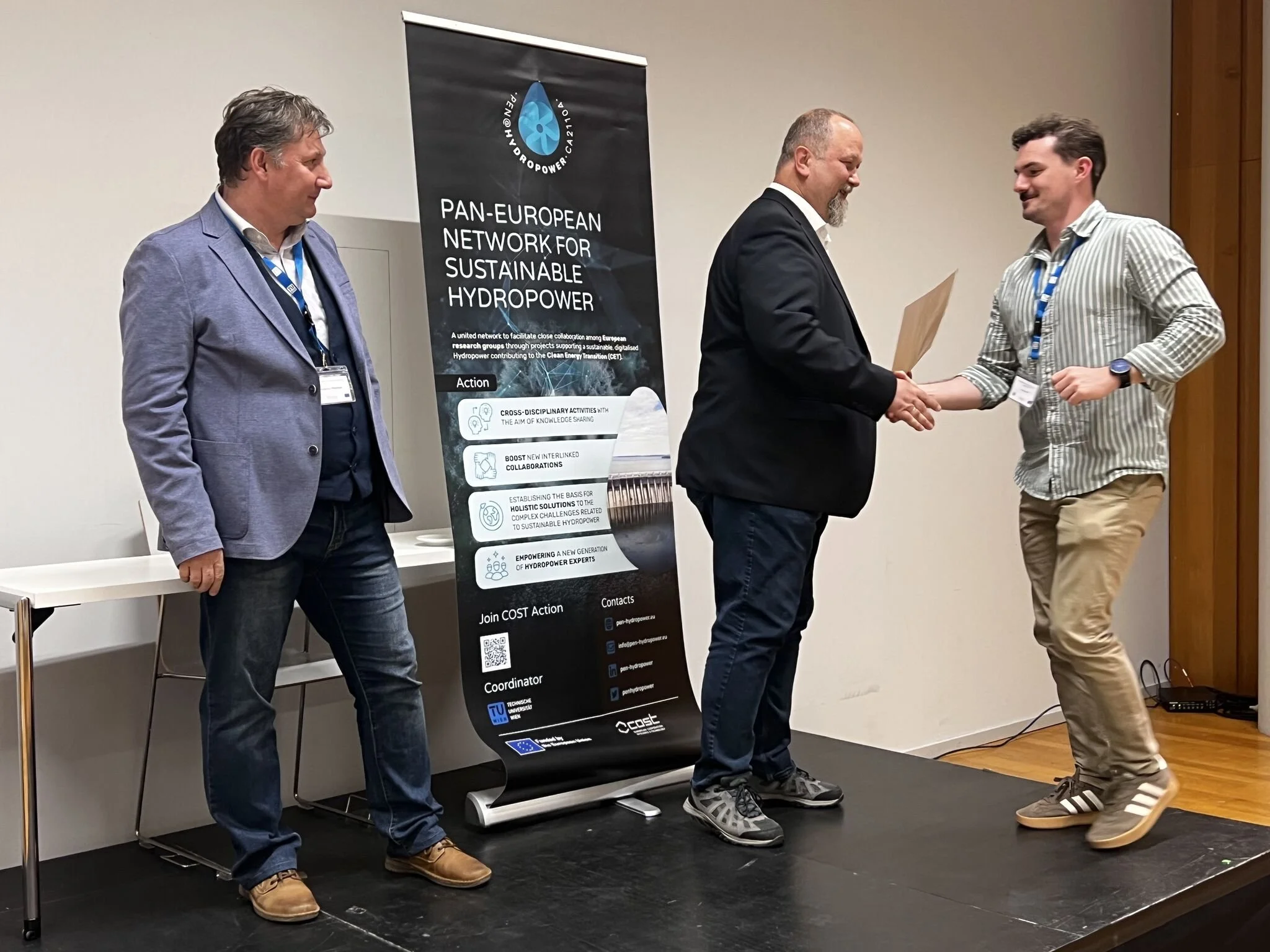
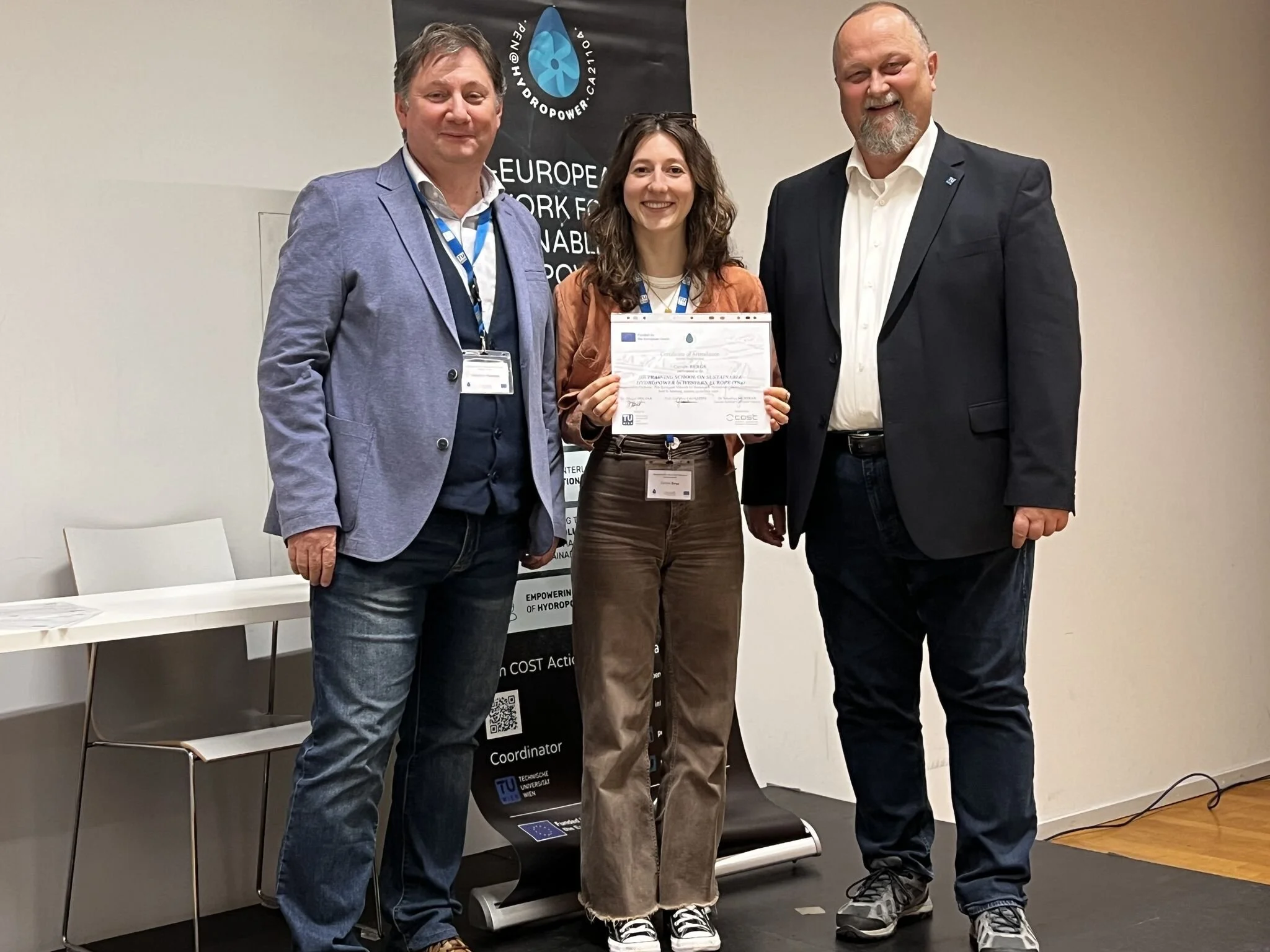
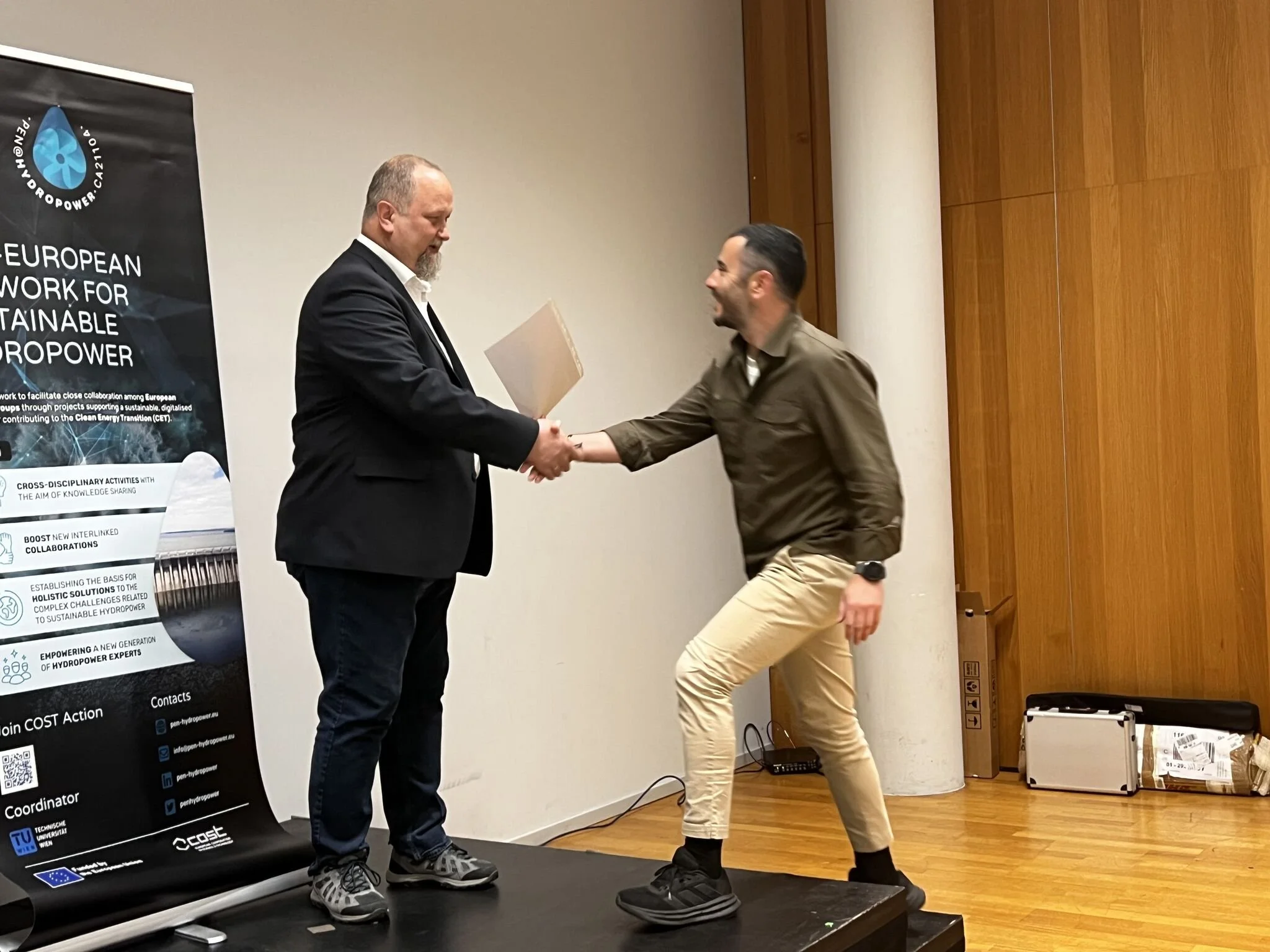
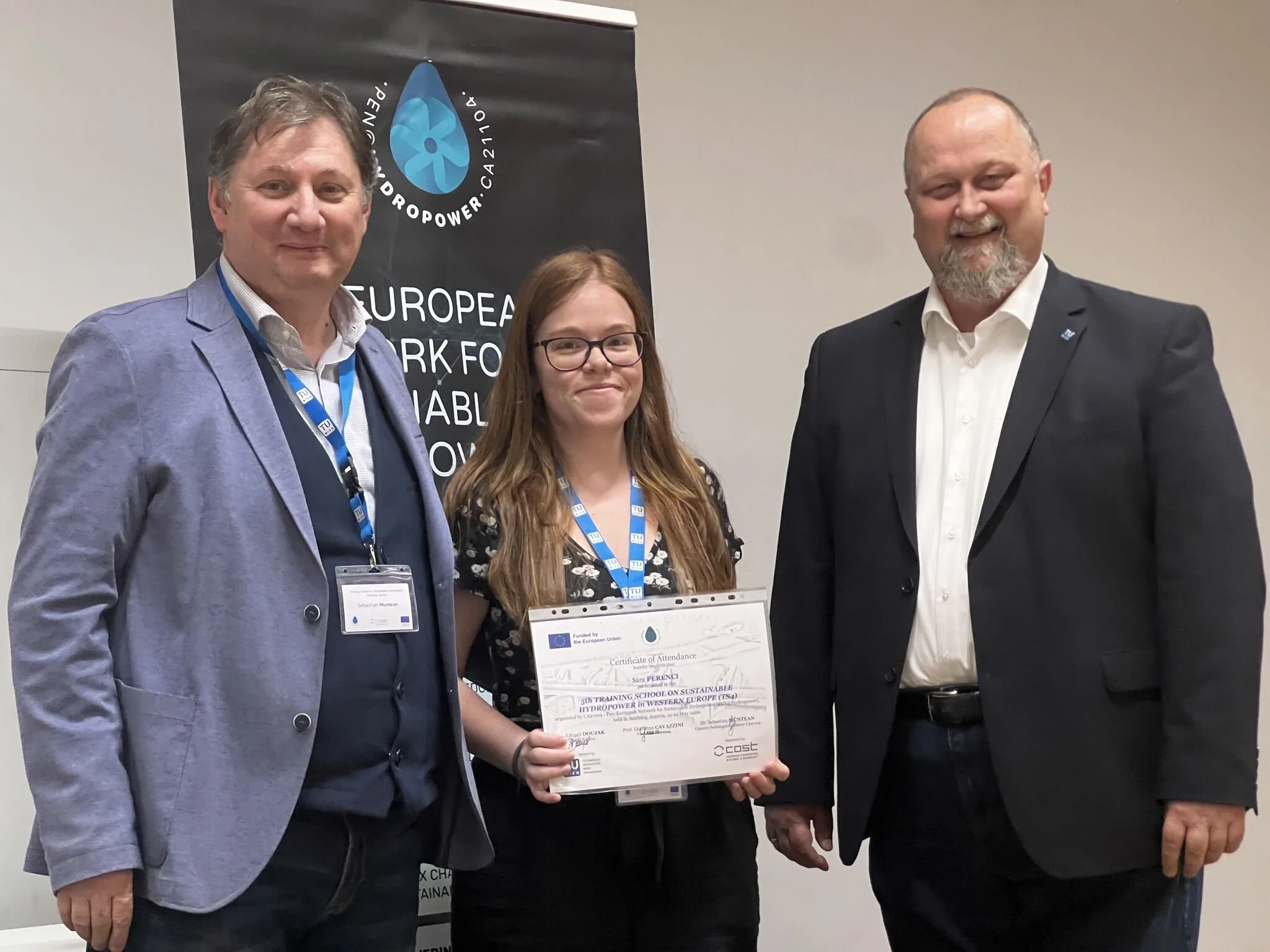
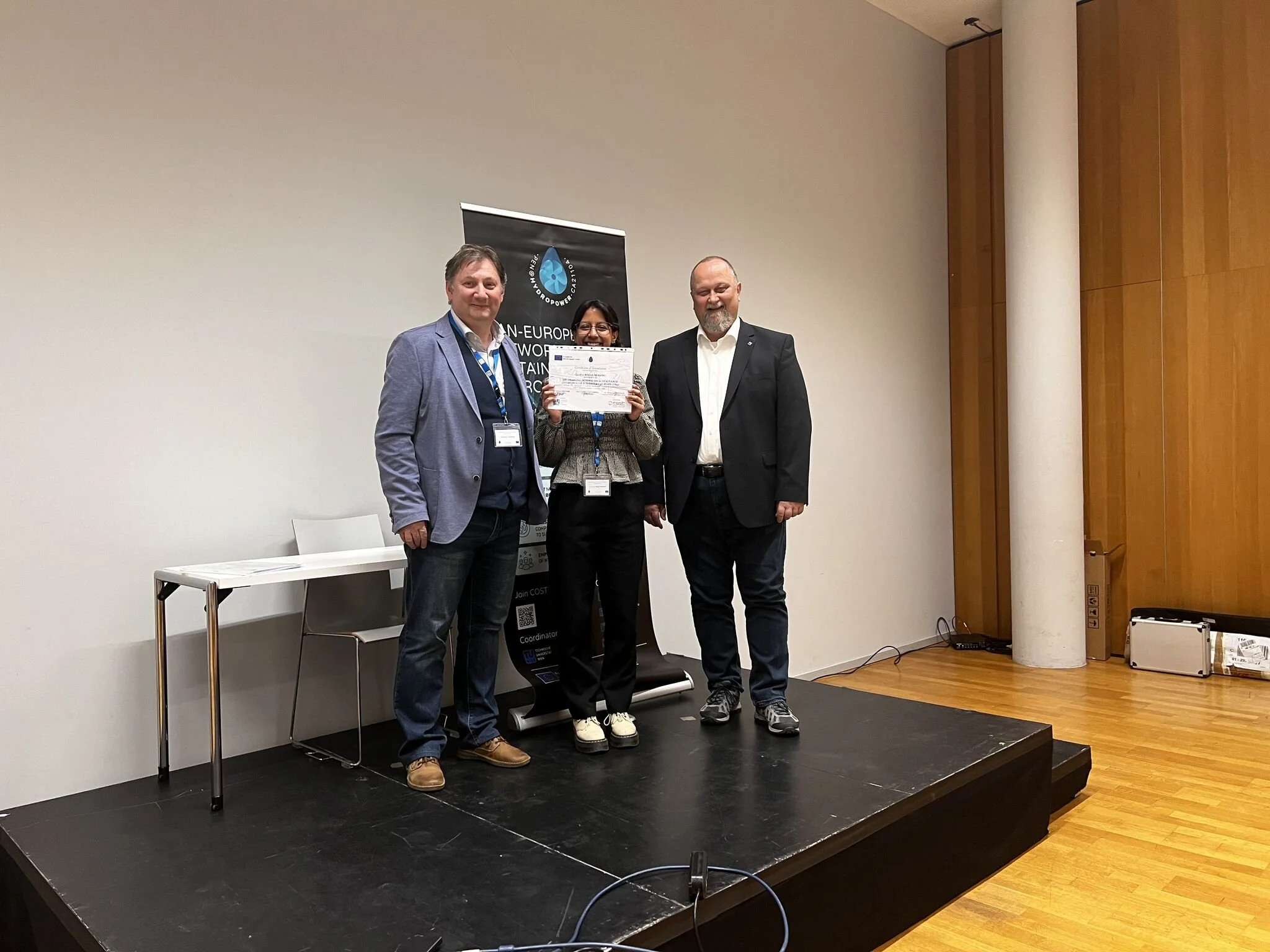
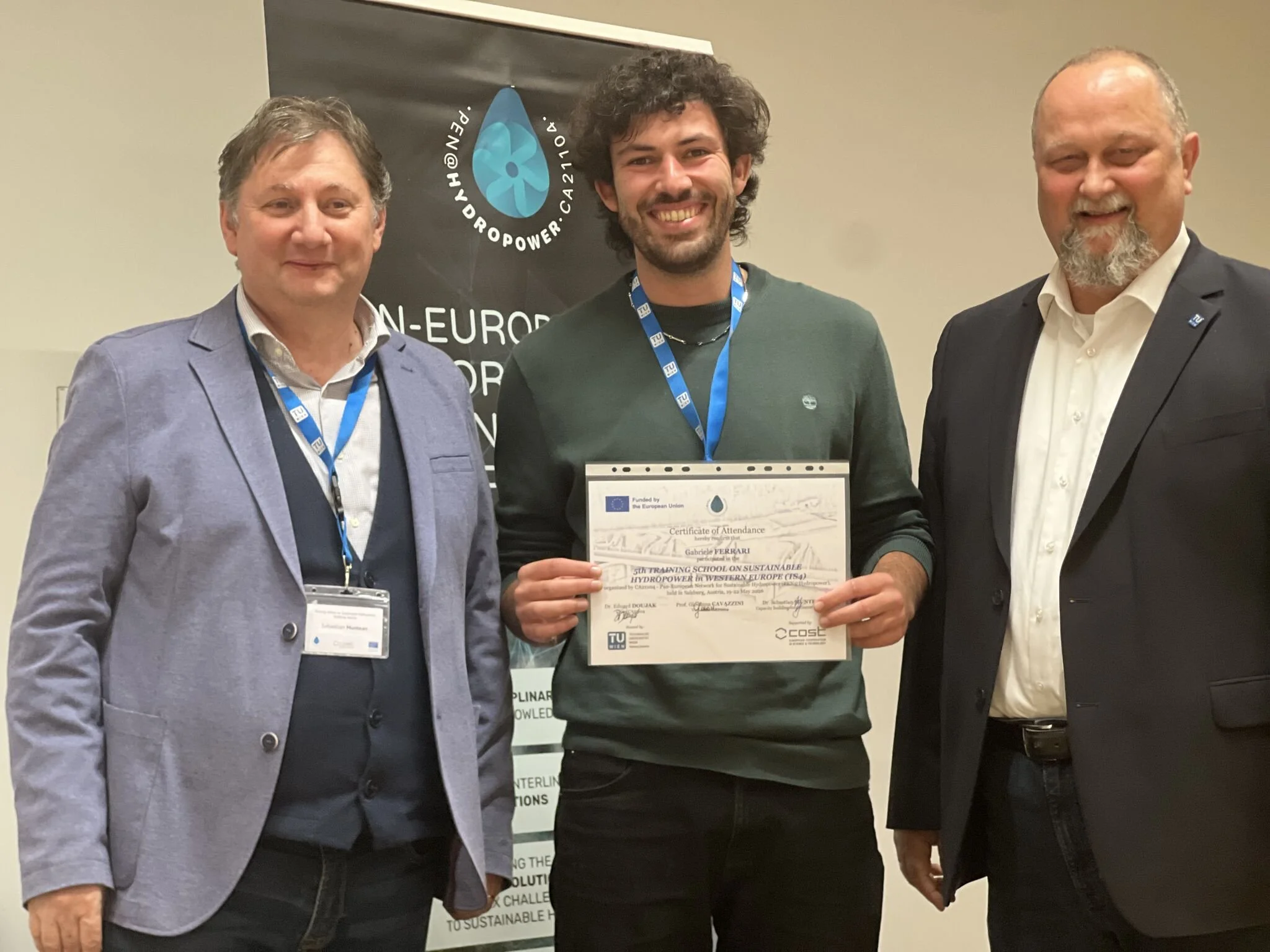
Group work encouraged participants to consider the priorities of operators, local communities, environmental organisations, financial stakeholders and public authorities. Particular attention was given to cumulative impacts across river systems, recognising how multiple projects and competing needs influence sustainability outcomes. Final presentations brought these perspectives together, followed by student awards recognising effort, creativity and collaboration.
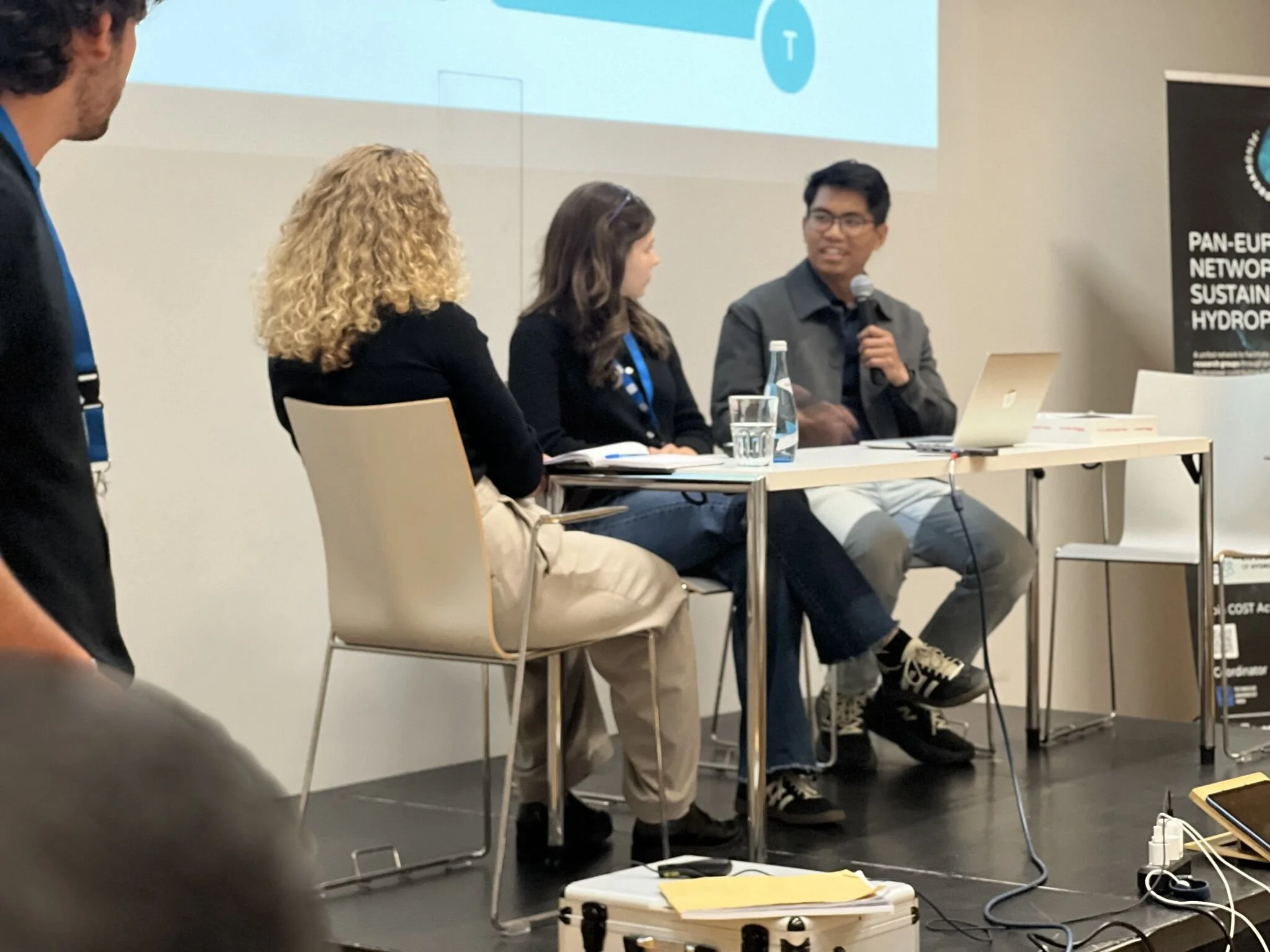
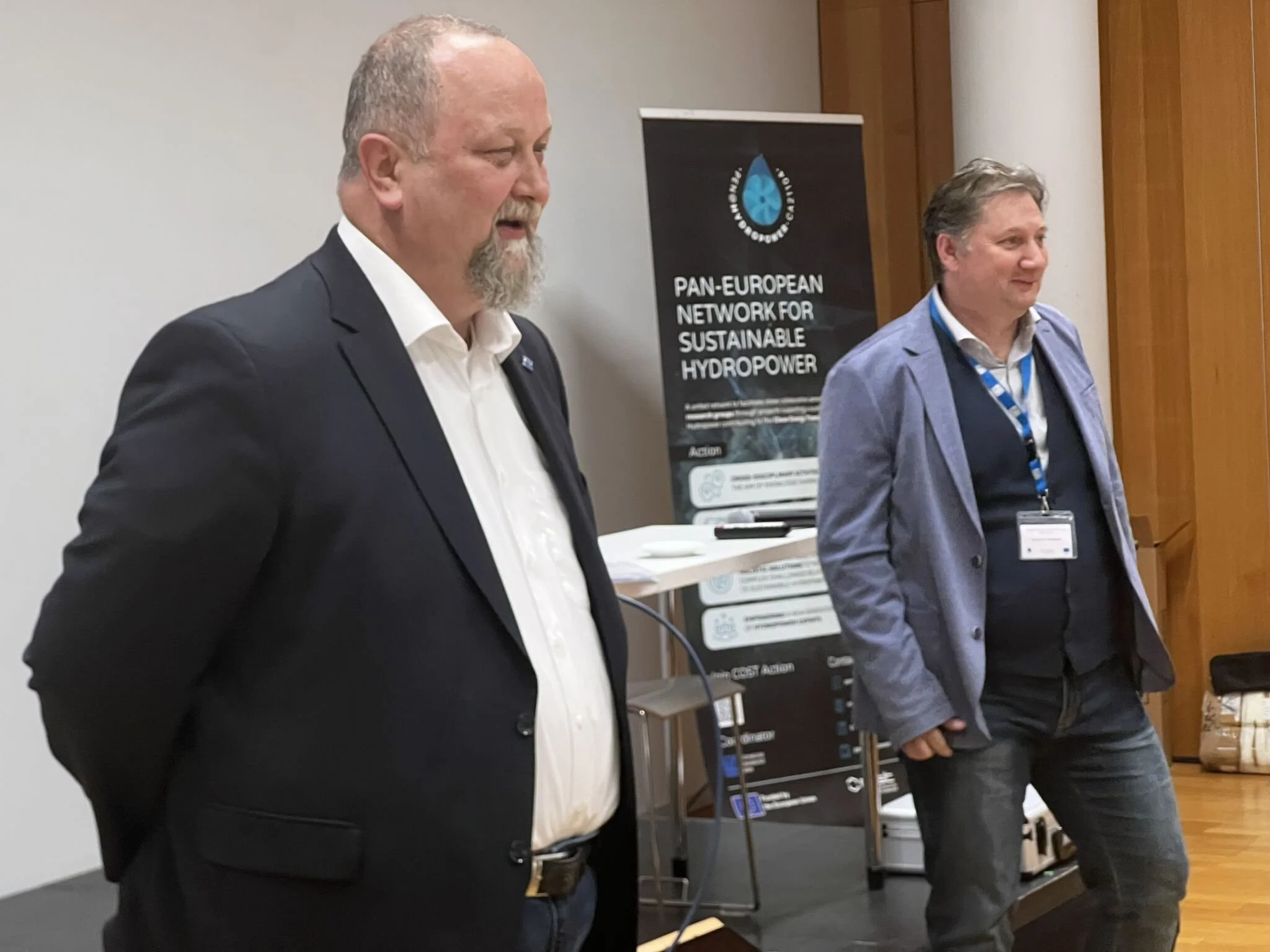
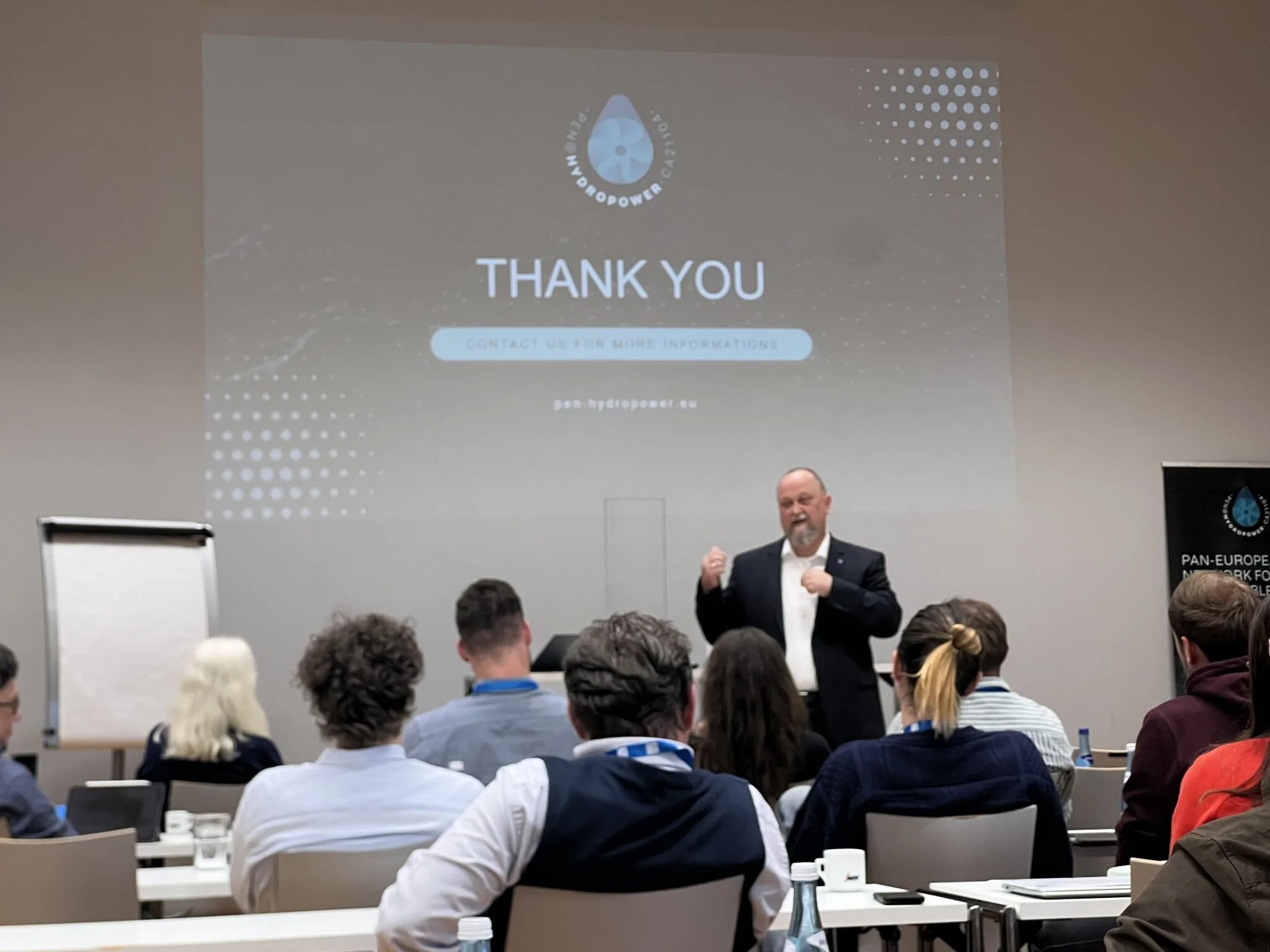
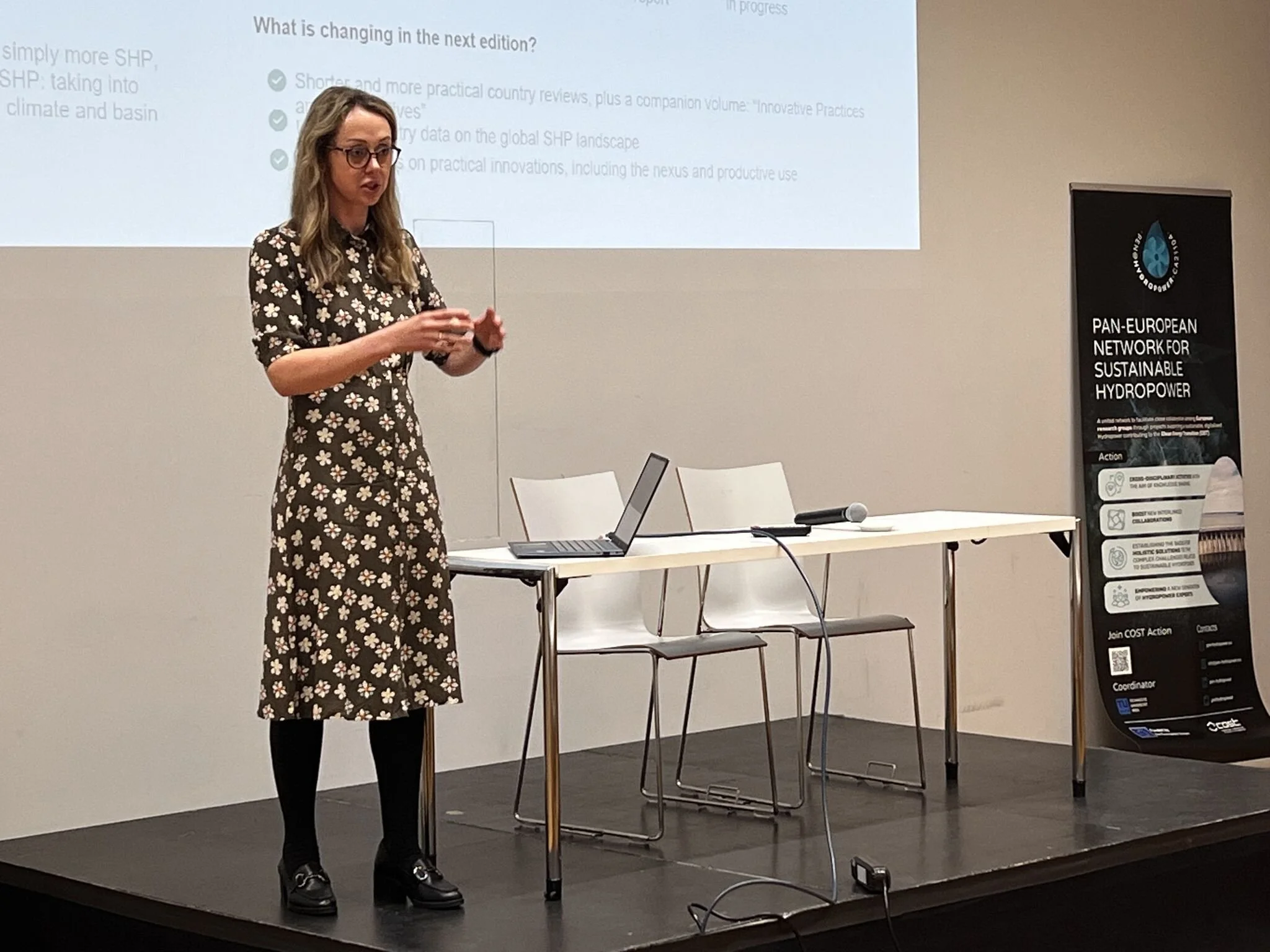
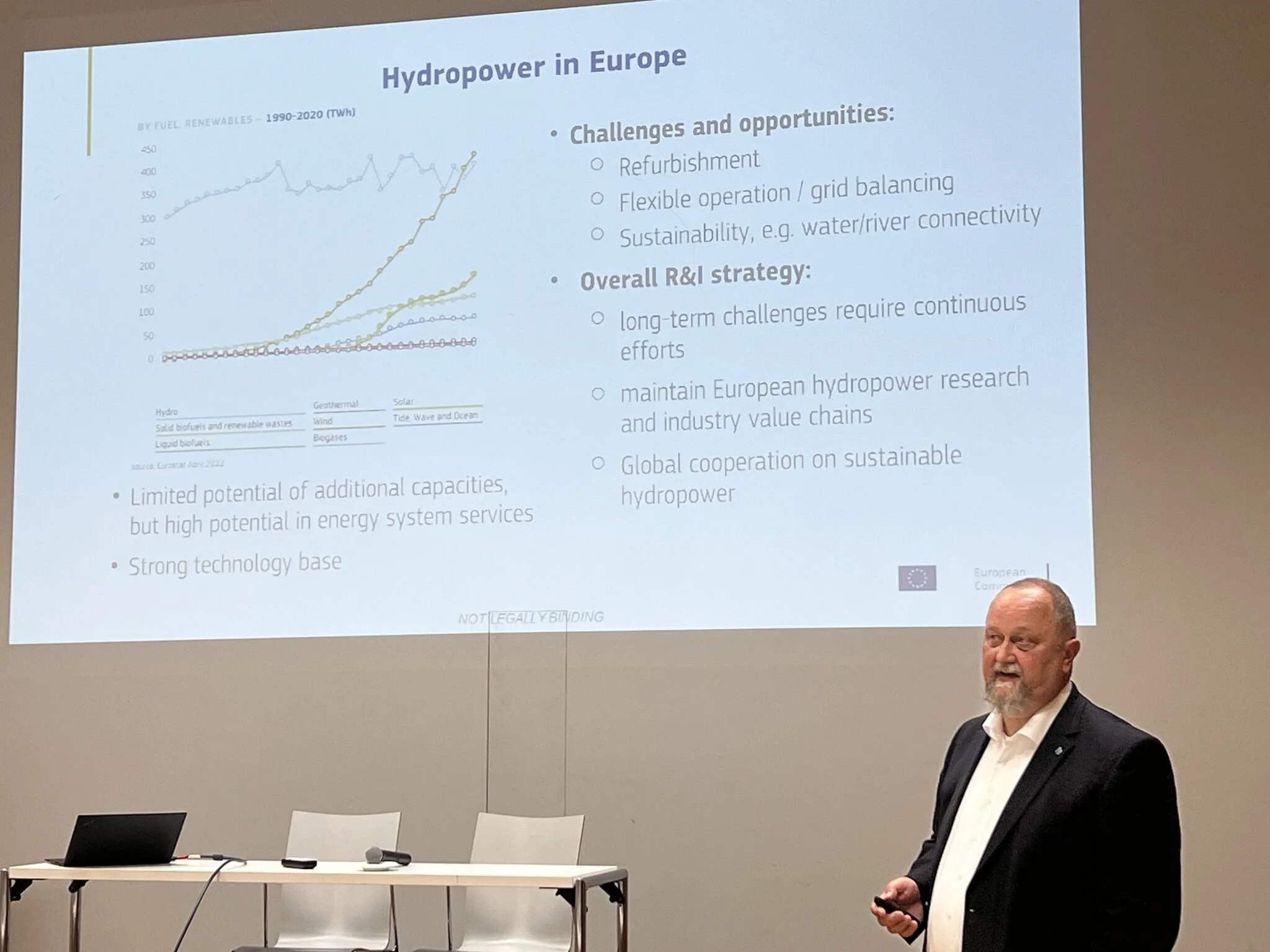
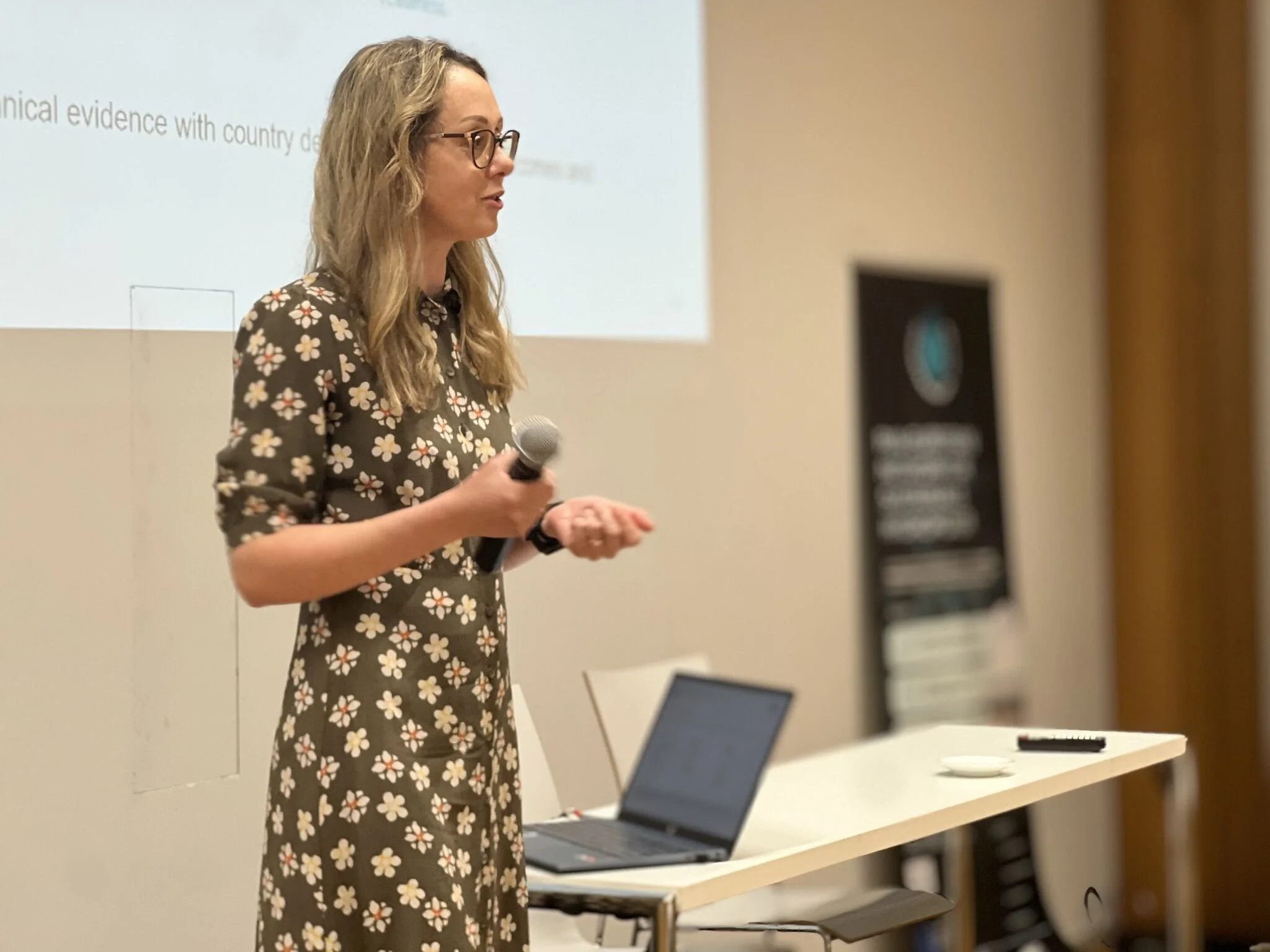
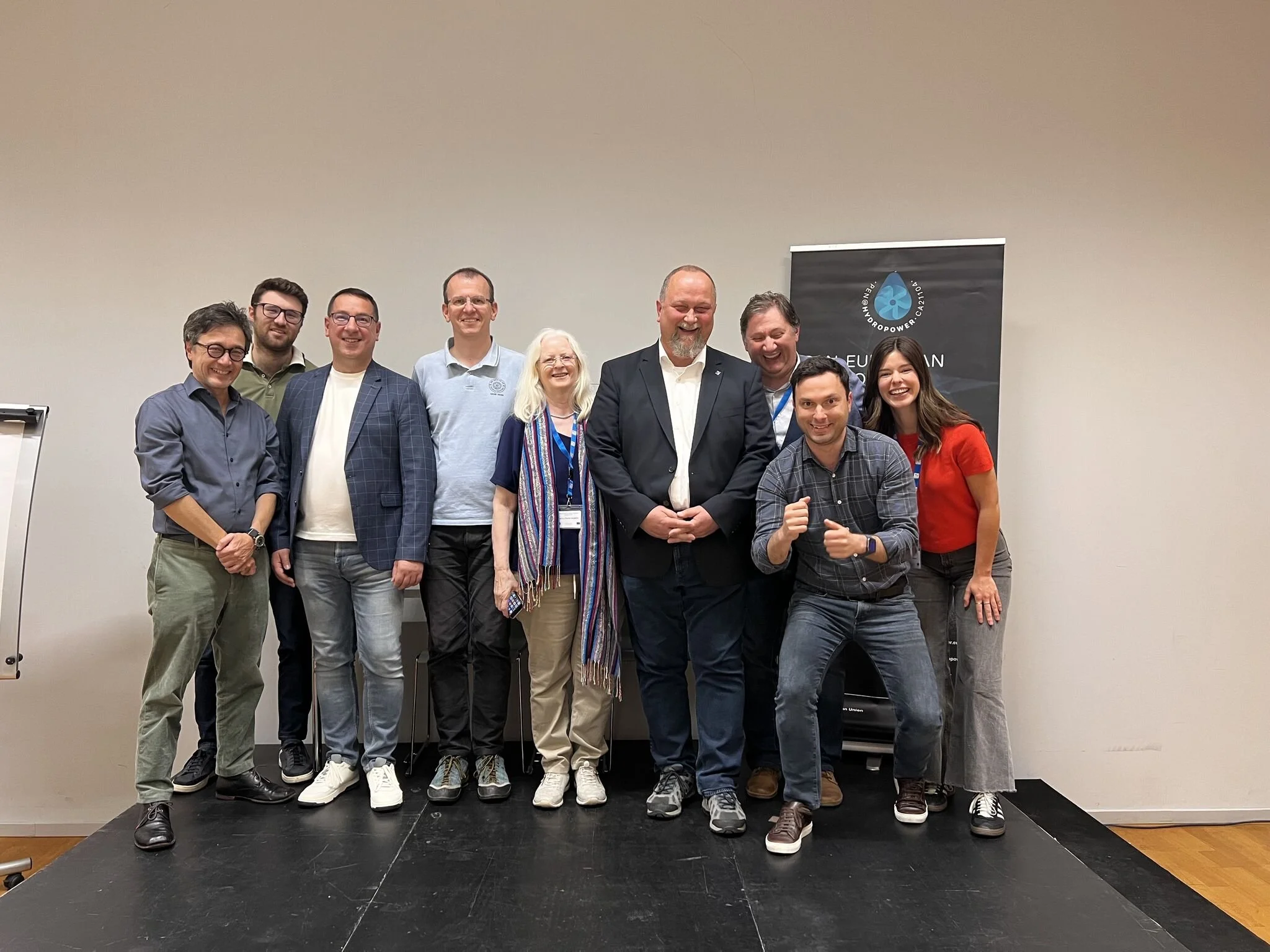
The programme also placed hydropower within a wider policy and development context. PEN@Hydropower Chair Eduard Doujak discussed relevant EU initiatives, while Eva Kremere presented UNIDO’s work on small hydropower and its contribution to sustainable energy and development.
PEN@Hydropower thanks local organisers Daniel Patauner and Eduard Doujak, Salzburg AG, all trainers and contributors, and the participants whose active engagement made the school a valuable opportunity for learning, exchange and future collaboration.
Video Recap: Reliving the highlights