PEN@Hydropower at the 9th IAHR Europe Congress: connecting research, flexibility and sustainability
Hydropower is one of Europe’s most established renewable energy sources, but its role is far from static. As energy systems change, hydropower is being asked to do more: provide flexibility, support grid stability, operate under more variable conditions, and respond to growing environmental and social expectations.
These themes were at the centre of PEN@Hydropower’s contribution to the 9th IAHR Europe Congress, where the network hosted a dedicated special session on sustainable hydropower. The session, chaired by Eduard Doujak, brought together researchers working across some of the most important questions currently shaping the sector.
The discussions showed just how broad the future of hydropower really is. It is not only about turbines, reservoirs or installed capacity. It is also about data, maintenance, social acceptance, climate impacts and the ability of hydropower plants to adapt to a rapidly changing energy landscape.
Matthijs J.M. den Dekker opened the session with a presentation on the impact of flexible operation on hydraulic machine lifetime. As hydropower plants are increasingly used to balance variable renewable sources such as wind and solar, understanding how these new operating patterns affect fatigue, wear and reliability is becoming essential.
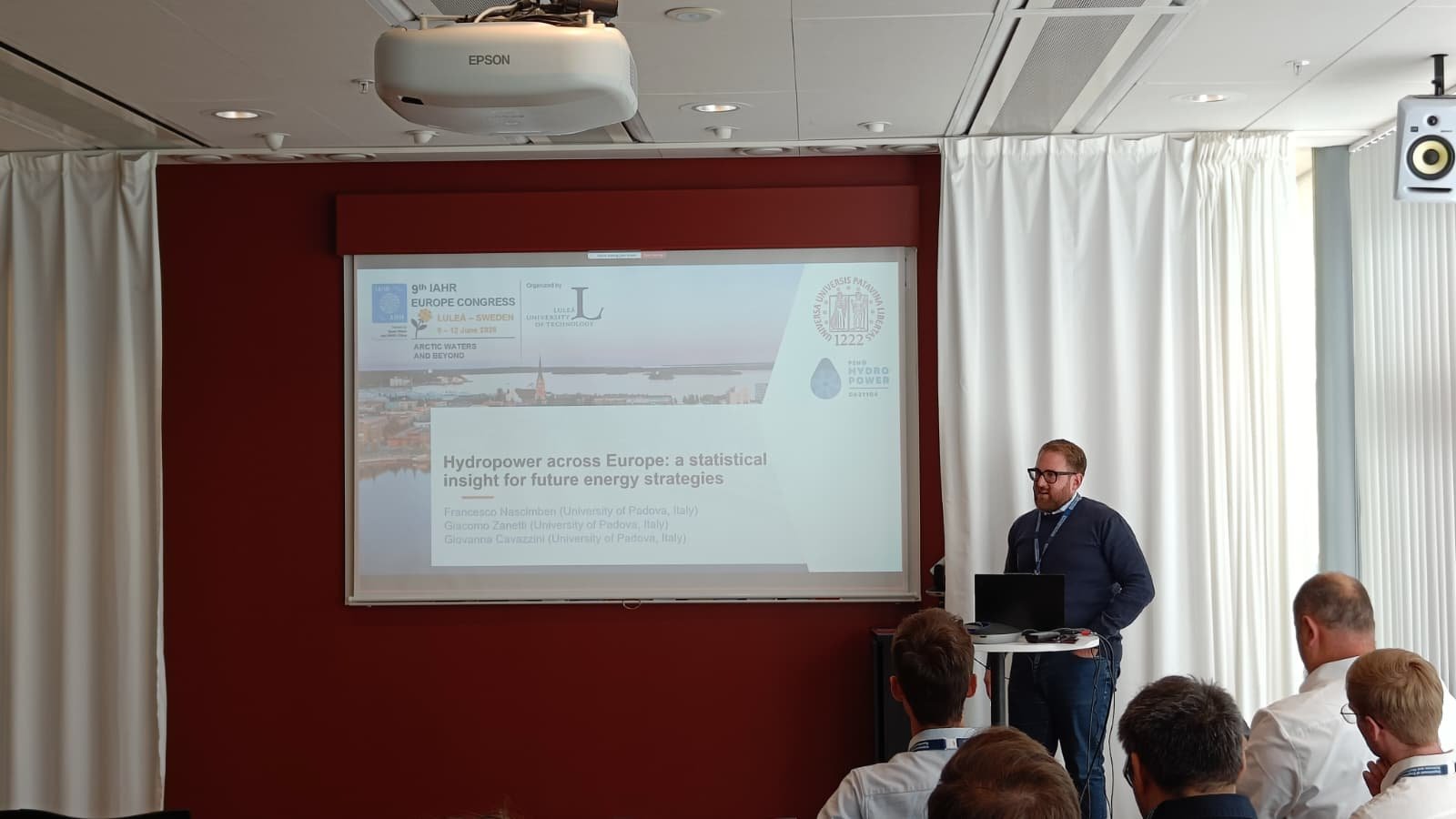
This system-level perspective was complemented by Francesco Nascimben, who presented statistical insights into hydropower across Europe and its place in future energy strategies. His contribution highlighted the importance of looking carefully at Europe’s existing hydropower fleet, including its age, capacity and role in supporting the energy transition.
The session then moved into the growing role of digital tools. Manuel Krottendorfer presented a big data approach to real-time health management of hydraulic turbines, showing how operational data can be used to better understand turbine behaviour, anticipate problems and improve maintenance planning.
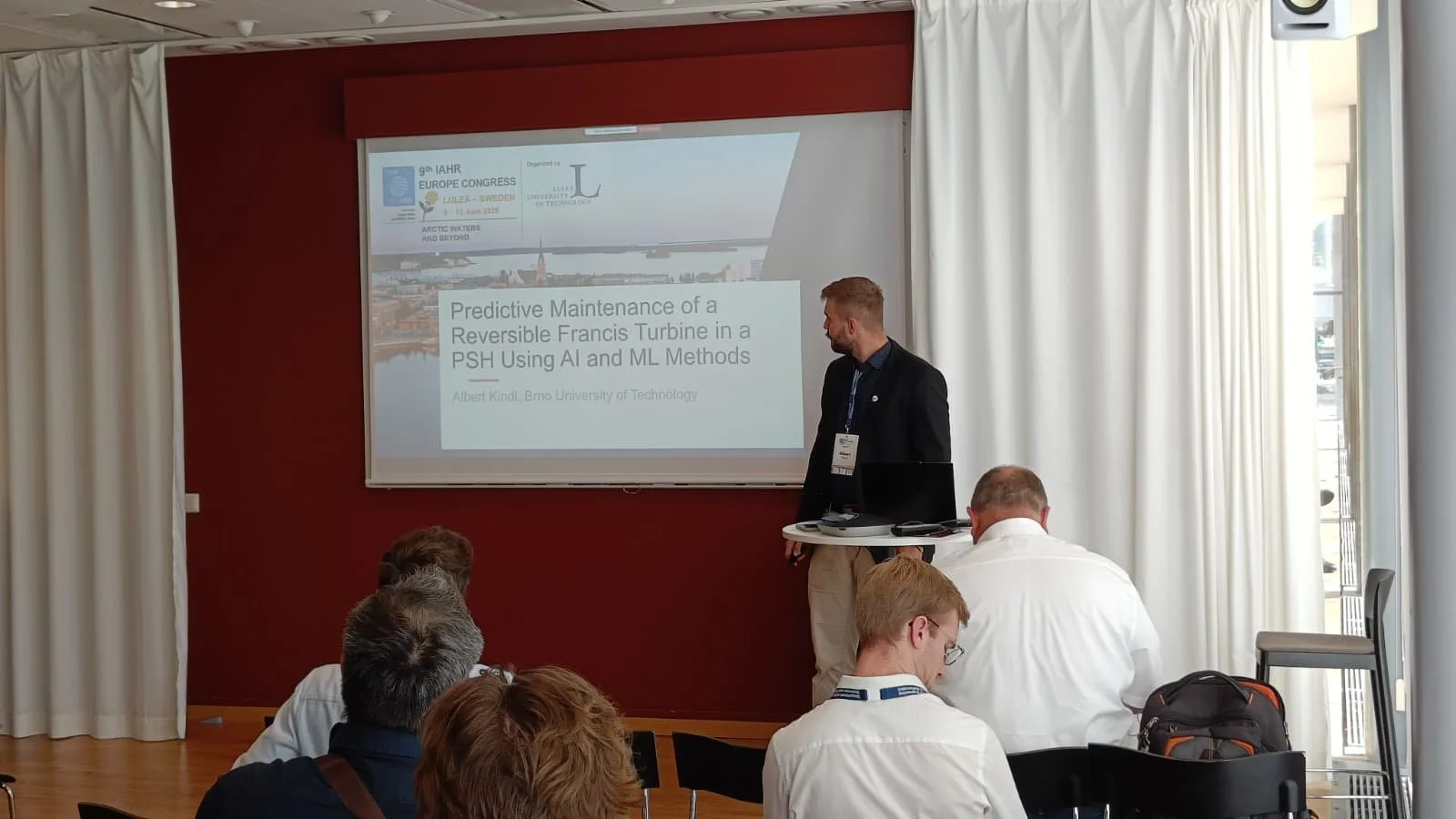
Continuing this theme, Albert Kindl explored how artificial intelligence and machine learning can support predictive maintenance in pumped-storage hydropower. His presentation focused on a reversible Francis turbine, illustrating how advanced data-driven methods can help detect early signs of faults and support more reliable plant operation.
The session also looked beyond the technical performance of hydropower assets. Lee Estrellado addressed the social acceptance of hydropower flexibility, presenting a comparative case study on stakeholder engagement in the context of the energy transition. The presentation served as a reminder that the success of hydropower projects depends not only on engineering, but also on trust, communication and local acceptance.
The final contribution, from Finan Weldemikael, focused on remote sensing approaches for assessing greenhouse gas emissions from hydropower reservoirs. By exploring how Earth Observation tools can support environmental monitoring, the presentation underlined the importance of transparent and scalable methods for understanding hydropower’s climate and environmental footprint.
Taken together, the session reflected the essence of PEN@Hydropower: creating a space where different perspectives on hydropower can meet. From machine lifetime and predictive maintenance to public acceptance and environmental monitoring, the presentations showed that sustainable hydropower is a multidisciplinary challenge.
For PEN@Hydropower, the IAHR Europe Congress was an opportunity not only to present ongoing research, but also to strengthen dialogue across the hydropower community. As Europe continues to build a more flexible and renewable energy system, this kind of exchange will be vital.
PEN@Hydropower thanks all speakers, participants and organisers for an engaging session and for contributing to a wider conversation on the future of sustainable hydropower in Europe.